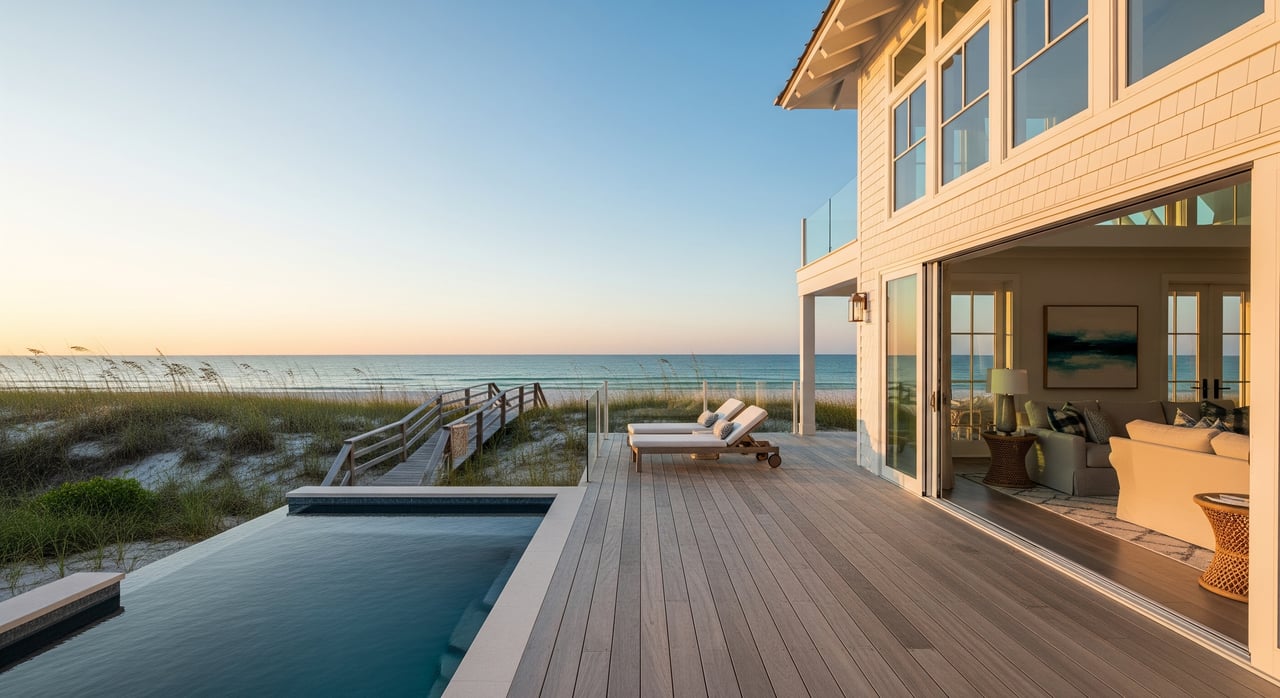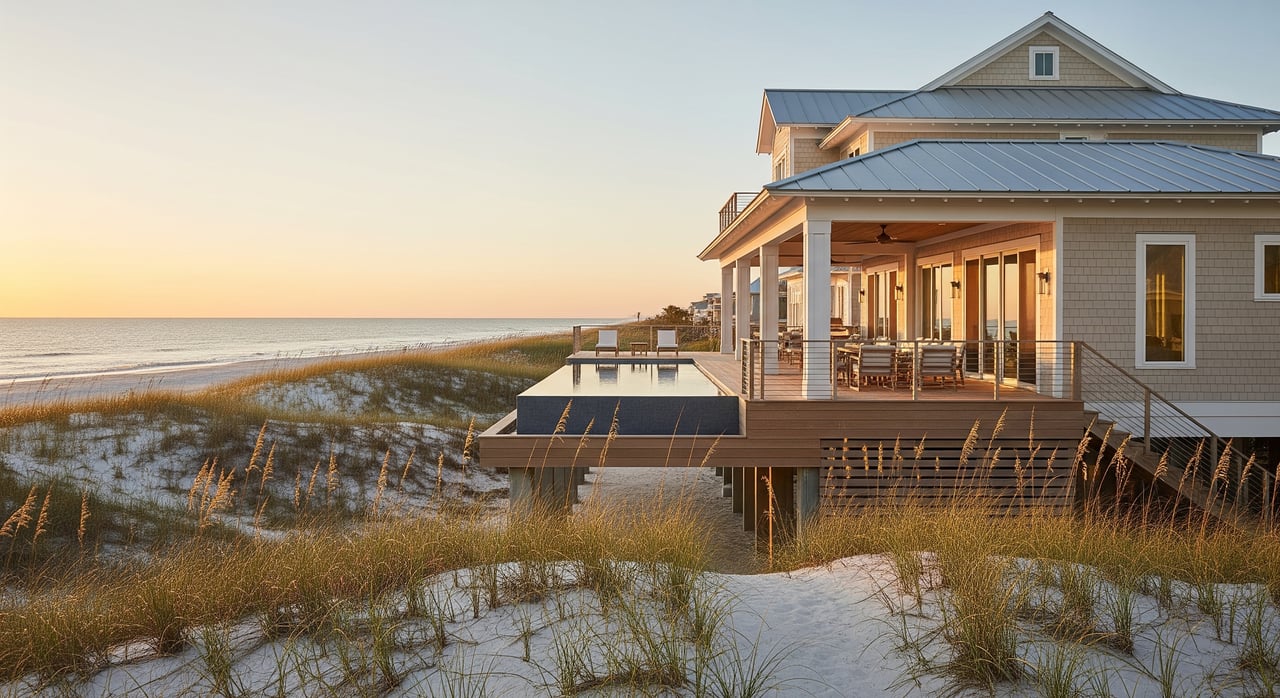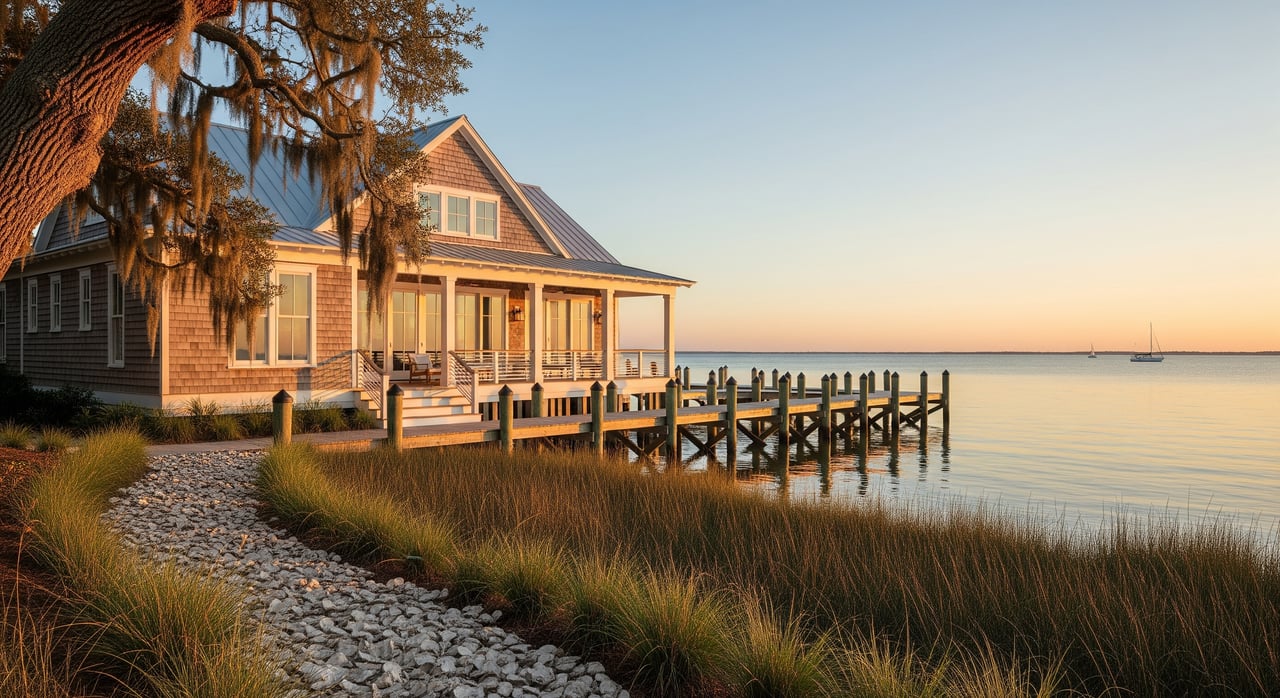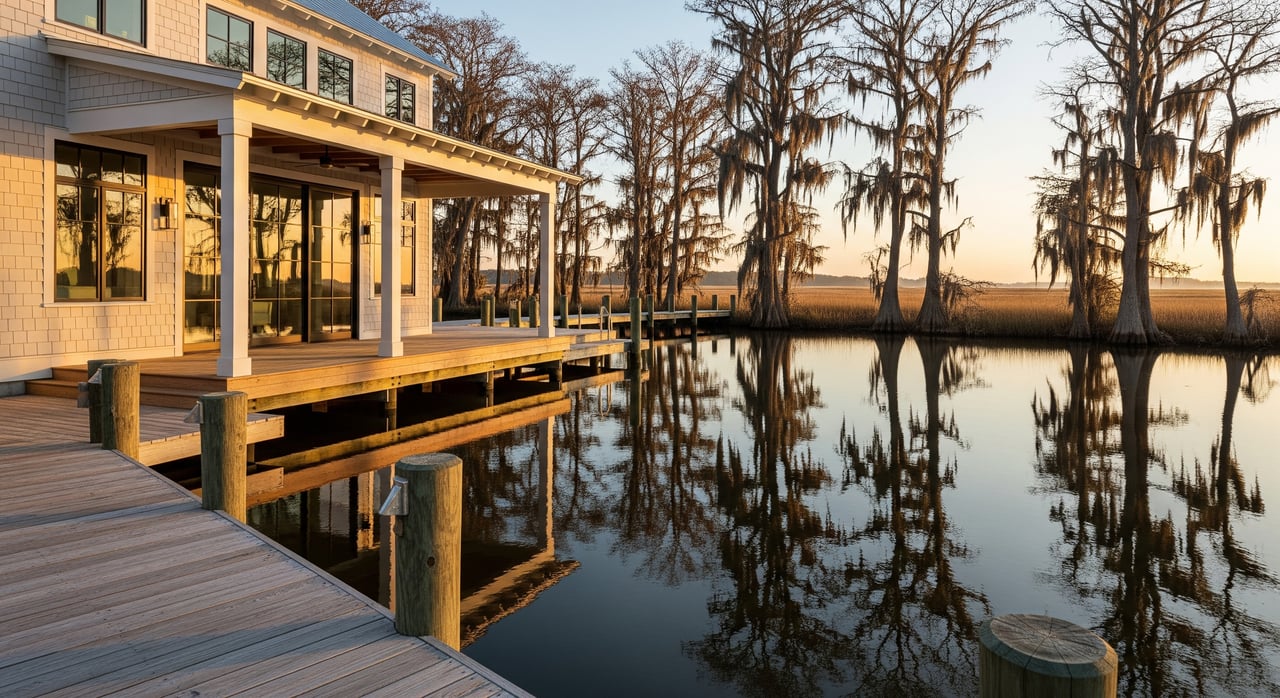
Thinking about trading crowded beaches for quiet rivers, big skies, and a slower pace? If Wewahitchka is on your shortlist, you’re not alone. You want small‑town living without losing access to the Gulf and the outdoors, and you want to make a confident move. In this guide, you’ll learn how housing, utilities, flood and insurance, schools, and daily life work in Wewahitchka so you can plan your next step with clarity. Let’s dive in.
Wewahitchka at a glance
Wewahitchka is a small, rural city in Gulf County on Florida’s northern Gulf Coast. You’ll find a laid‑back lifestyle, lower density than larger coastal towns, and close access to rivers, lakes, and Gulf waters. The climate is humid subtropical with hot summers and mild winters. Hurricane season runs June 1 to November 30, so smart planning and preparedness are part of everyday life in coastal counties. For seasonal guidance and checklists, review Florida’s statewide readiness resources from the Florida Division of Emergency Management.
Housing and cost basics
Expect a mix of single‑family homes, mobile and manufactured homes, scattered waterfront properties, and vacant land. You’ll see fewer condominiums than in larger beach cities. Inventory in small markets can be tight, and prices often vary by proximity to water, lot size, and condition. Instead of focusing on one number, look at recent local sales and current listings to understand value.
If you want to validate tax history and parcel details during your search, the Gulf County government website is a helpful starting point for county departments and records.
Financing and insurance
Financing is similar to other Florida markets, but lenders take flood risk and property specifics seriously. Many waterfront and low‑lying parcels carry additional insurance considerations. Before you fall in love with a property, check its FEMA flood zone and ask about any elevation certificates. You can verify property‑specific risk at the FEMA Flood Map Service Center.
Florida’s homeowners insurance market changes frequently. Windstorm deductibles, roof age, and mitigation features can all affect premiums. Review current guidelines and policy options with your insurer and consult the Florida Office of Insurance Regulation for state‑level consumer information.
Areas and property settings
- Wewahitchka proper: Smaller lots and closer proximity to services. Some homes connect to municipal utilities, but always confirm.
- Surrounding rural parcels: Larger acreage and privacy, with more properties on well and septic. Response times for utilities and services can differ from in‑town addresses.
- Waterfront and river‑adjacent lots: Premium locations with added due diligence. Expect flood considerations, possible elevation requirements, and higher insurance needs.
If you plan to commute or want quick access to hospitals and major shopping, map drive times to nearby hubs like Port St. Joe and Panama City. Travel times vary by route and season, so check them during the hours you’ll drive.
Schools and enrollment
Public schools serving the area operate through the local district. Options in rural regions can be more limited than in larger cities, so it’s smart to review grade configurations, extracurriculars, and enrollment steps early. For neutral, statewide accountability data and report cards, visit the Florida Department of Education. Always verify current school assignments directly with the district.
Services and daily life
Police, fire, and EMS services are typically county‑run, with specifics varying by location. You’ll find basic grocery and everyday retail nearby, while larger shopping and specialty services are in neighboring towns. Healthcare access is a common consideration for movers; plan for local primary care and travel to nearby hospitals for full‑service needs. County websites and local providers are your best sources for up‑to‑date locations and contact info.
Hazards and preparedness
Coastal counties face wind, rain, and potential storm surge during hurricane season. Property‑level flood risk depends on elevation and location near waterways. Lenders often require flood insurance for properties in a Special Flood Hazard Area. Before you write an offer, verify the flood zone at the FEMA Flood Map Service Center and talk with an insurance professional about coverage. For evacuation routes, supply lists, and seasonal plans, start with the Florida Division of Emergency Management.
Utilities and connectivity
Not every parcel connects to municipal water and sewer. Many rural properties rely on private well and septic systems, which deserve careful inspection. Ask for septic pumping and inspection records, and consider a water‑quality test for wells. For remote work, confirm internet options before you buy. Broadband availability varies by address; check current providers and speeds using the FCC National Broadband Map.
Buyer checklist for Wewahitchka
- Verify the property’s FEMA flood zone and request any elevation certificate on file.
- Confirm utilities: municipal water/sewer or well/septic. Get septic inspection and pumping records, plus well water‑quality test results.
- Order a full home inspection and a wind mitigation inspection to identify improvements and insurance discounts.
- Check school assignments and enrollment timelines with the district if needed, and review neutral state data via the Florida Department of Education.
- Confirm broadband and cell coverage for your specific address using the FCC National Broadband Map.
- Review tax history, exemptions, and recent sales using county resources on the Gulf County government website.
- Plan for hurricane season: keep insurance documents secure, build an emergency kit, and review evacuation guidance from the Florida Division of Emergency Management.
Seller tips in this market
- Prepare clear disclosures about flood zones, well and septic status, and any environmental considerations.
- Consider pre‑listing inspections for septic, roof, and wind mitigation to reduce surprises and keep deals on track.
- Price to local comparables rather than distant beach‑resort markets. Inventory and buyer pools differ in small towns.
- If you’re marketing waterfront property, present flood and elevation details up front and highlight any mitigation work.
- Showcase lifestyle strengths buyers value here: access to boating, fishing, rivers, and a quieter pace.
Ready to explore?
If Wewahitchka’s small‑town lifestyle and outdoor access speak to you, the next step is a local, property‑specific plan. From flood and utilities to marketing and pricing, you deserve guidance grounded in Gulf County experience. For thoughtful, high‑touch advice tailored to your move or sale, connect with Debbe Wibberg.
FAQs
Is Wewahitchka, FL a safe place to live?
- Safety varies by location and changes over time; review recent reports, consult local law enforcement, and evaluate neighborhood crime maps to understand trends for a specific address.
Do I need flood insurance in Wewahitchka?
- It depends on your property’s FEMA flood zone and lender requirements; check the address at the FEMA Flood Map Service Center and compare NFIP and private options with an insurance professional.
How far are hospitals and major shopping from Wewahitchka?
- You’ll find basics nearby, with full‑service hospitals and larger shopping in neighboring towns; verify real‑time drive times to preferred facilities using a mapping app during your typical travel hours.
What types of homes are common in Wewahitchka?
- You’ll see single‑family homes, mobile/manufactured homes, some waterfront properties, and vacant land, with fewer condos than in larger coastal markets.
Can I work remotely in Wewahitchka?
- Possibly, but broadband is address‑specific; confirm available providers and speeds using the FCC National Broadband Map before you commit.
How do schools work for Wewahitchka addresses?
- Local public schools serve the area and assignments vary by address; review state accountability data at the Florida Department of Education and confirm enrollment with the district directly.