If you know you want to live near the water in Port St. Joe, the real question is what kind of waterfront fits your life best. A bay view, a canal dock, and beach access can all sound appealing, but they offer very different day-to-day experiences, ownership considerations, and long-term costs. This guide will help you compare bayfront, canal-front, and beach-side options in Port St. Joe so you can focus on the setting that truly matches your goals. Let’s dive in.
Why Port St. Joe Waterfront Feels Different
Port St. Joe’s waterfront is shaped by St. Joseph Bay and the St. Joseph Bay Aquatic Preserve, a protected coastal system known for clear water, white sand, and expansive seagrass beds. The preserve spans 55,675 acres, and the broader bay is described by FWC at about 73,000 acres.
That setting gives much of Port St. Joe a calmer, more sheltered waterfront feel than open Gulf frontage. You see it in everyday life too, from the Bay Walk Trail and bayfront parks to the working-waterfront role of the Port of Port St. Joe, which connects the area to sheltered bay waters and the Intracoastal Waterway.
Bayfront Living in Port St. Joe
What bayfront living feels like
Bayfront living is usually the strongest match if you want open water views and a close connection to outdoor recreation. St. Joseph Bay is widely known for activities like fishing, kayaking, snorkeling, and scalloping, and the calm-water setting often supports a more recreation-first lifestyle.
For many buyers, bayfront living is about waking up to broad views and stepping straight into the bay experience. It can feel more open and scenic than canal-front property while still offering a more protected setting than Gulf-front exposure.
What to expect from bayfront property
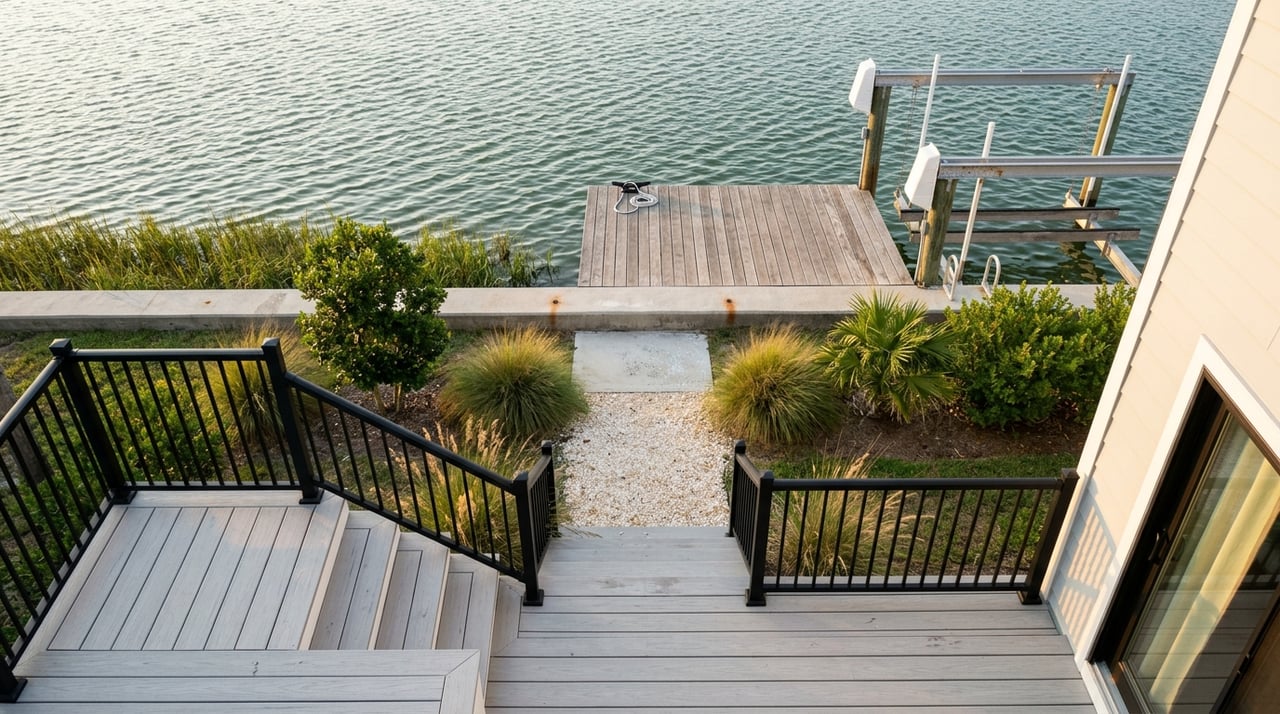
Bayfront homes and lots often bring features such as docks, lifts, bulkheads, or other shoreline improvements. On some parcels, especially those near preserve boundaries, you may also need to account for a 50-foot buffer and limited-development rules outlined in the Gulf County Comprehensive Plan.
That means lot-by-lot review matters. Two waterfront parcels on the same stretch can have different constraints based on shoreline conditions, setbacks, recorded plats, and environmental overlays.
Bayfront tradeoffs to understand
Bayfront may offer the most visually striking open-water setting, but it also tends to involve more permitting and environmental review than a typical inland property. Gulf County’s policies prioritize water-dependent shoreline uses and require applicable permits before county building permits are issued.
If you are considering improvements, it is smart to confirm early what already exists, what was permitted, and what may be possible in the future. This is especially important if you are buying a lot, planning a renovation, or evaluating a tear-down site.
Canal-Front Living in Port St. Joe
Why buyers choose canal-front
Canal-front property is often the most practical choice for buyers who care most about private dock access. If your priority is keeping a boat close by and simplifying launch-day logistics, canal-front can be a very appealing option.
In many cases, the lifestyle is less about wide views and more about function. You may trade some open-water drama for protected docking and easier everyday use.
What to verify before you buy
With canal-front property, the biggest question is whether the canal works for your boat and your routine. You should verify depth, navigability, and whether any dock or lift is permitted, exempt, or subject to additional review under Florida DEP permitting guidance.
You will also want to review any recorded restrictions, HOA rules, or use limitations tied to the lot. Canal-front properties can look straightforward at first glance, but the real value often depends on legal access, usable depth, and the status of existing improvements.
Common canal-front features
Canal-front homes often come with narrower water views, private docking setups, and some form of shoreline stabilization. In some cases, a living shoreline may be a recognized alternative to harder structures like seawalls, and small projects may qualify for exemption under Florida guidance on living shorelines.
That can matter if you plan to improve the property over time. It is one more reason to look beyond the photos and understand how the shoreline is built, maintained, and regulated.
Beach-Access and Gulf-Side Living
What beach-side ownership offers
Beach-side living is a different experience entirely. Here, the draw is sand, dunes, Gulf views, and easy access to long stretches of shoreline rather than dock-centered boating.
A major local reference point is T.H. Stone Memorial St. Joseph Peninsula State Park, which offers 10 miles of white sandy beaches. The park also includes Eagle Harbor, which provides a bay-side beach option within the peninsula environment.
Why access rights matter
When a property is marketed as having beach access, you should confirm exactly what that means. It could mean direct frontage, a shared walkover, a deeded easement, or simple proximity to a public access point.
That distinction matters for both lifestyle and value. Gulf County’s planning policies also emphasize preserving or replacing public access when coastal development affects it, so access should always be documented clearly rather than assumed from marketing language.
Beach-side rules and exposure
Beach-side property often comes with the most direct exposure to coastal erosion, storm surge, and dune protection rules. Gulf County’s plan requires dune walkover structures for new Gulf-front development and major redevelopment, while Florida’s Coastal Construction Control Line program adds special siting and design standards in more seaward beach zones.
In practical terms, Gulf-side living can be beautiful and highly sought after, but it usually requires the most attention to siting, construction standards, and long-term storm planning.
Bayfront vs Canal-Front vs Beach Access
If you are deciding between these three settings, it helps to compare them by how you plan to use the property most often.
| Waterfront setting | Best fit for | Typical focus | Key caution |
|---|---|---|---|
| Bayfront | Buyers who want views and bay recreation | Open-water setting, kayaking, fishing, scalloping | Permitting and environmental review can be more involved |
| Canal-front | Buyers who prioritize private boat access | Dock convenience, navigability, protected feel | Verify depth, legal improvements, and restrictions |
| Beach-access or Gulf-side | Buyers who want sand and shoreline access | Dunes, walkovers, Gulf experience | Higher exposure to erosion, surge, and coastal rules |
The right choice depends less on what sounds most luxurious and more on how you want to spend your time. If you picture launching a boat often, canal-front may win. If you want broad water views and bay recreation, bayfront may be the better fit. If your priority is the beach experience itself, Gulf-side or beach-access property may be worth the added complexity.
Due Diligence for Waterfront Buyers
Start with maps and parcel data
Before you get too attached to a property, use the Gulf County GIS map tools to review flood zones, evacuation zones, evacuation routes, and parcel information. This is one of the best first steps for understanding a waterfront property beyond the listing description.
You should also use FEMA flood resources as a national reference point. FEMA notes that flood insurance may be available even outside high-risk zones and that there is no such thing as a no-risk zone.
Review permits and improvements
For any bayfront or canal-front property, ask whether docks, lifts, shoreline treatments, or other water-related improvements were properly permitted. DEP regulates docks, marinas, wetlands, submerged-lands work, and coastal construction, and some single-family docks may qualify for self-certification or exemption through the state permitting process.
Do not assume an existing improvement is approved just because it is already there. Permit history and legal status can affect both your use of the property and future resale.
Check buildability for lots and tear-downs
If you are buying a vacant lot or a home with redevelopment potential, confirm utilities, septic feasibility, and overall site capacity early. As of January 1, 2025, Gulf County says septic permits are issued through FDEP, and the county has adopted the Florida Building Code 2023 eighth edition through its Building Department.
For waterfront sites, that can affect both timelines and budget. It is especially important when a parcel appears buildable on paper but may face practical constraints tied to utilities, setbacks, buffers, or state review.
Understand the bigger picture
Waterfront ownership is never just about the lot lines. It also includes carrying costs, storm-readiness, flood exposure, access rights, and any recorded covenants or HOA rules.
That is why local guidance matters so much in Port St. Joe. A property can look ideal online, but the smartest purchase usually comes from pairing the lifestyle fit with a careful review of rules, access, and physical constraints.
How to Choose the Right Waterfront Setting
A simple way to narrow your search is to ask yourself a few direct questions:
- Do you want wide water views or easy boat access?
- Will you spend more time on the bay, on the boat, or on the beach?
- Are you comfortable with more complex coastal review if the location is right?
- Do you need a property that works now, or are you planning future improvements?
- Is access clearly documented, especially for docks or beach paths?
When you answer those questions honestly, your best fit usually becomes much clearer. Waterfront living in Port St. Joe is not one-size-fits-all, and that is exactly what makes the area so appealing.
Whether you are comparing a bayfront home, a canal-front lot, or a beach-side retreat, local insight can save you time and help you avoid costly surprises. If you want a clear, property-specific perspective on Port St. Joe waterfront options, Debbe Wibberg can help you evaluate lifestyle fit, access, and coastal considerations with the kind of local guidance that makes the search feel more confident.
FAQs
What is the difference between bayfront and canal-front living in Port St. Joe?
- Bayfront living usually emphasizes open-water views and direct access to St. Joseph Bay recreation, while canal-front living is often more focused on private docking convenience and boat access.
What should buyers verify about beach access in Port St. Joe?
- Buyers should confirm whether beach access means direct frontage, a shared path, a deeded easement, or proximity to a public access point.
What maps should waterfront buyers check in Gulf County?
- Buyers should review Gulf County GIS tools for flood zones, evacuation zones, routes, and parcel data, then compare that information with FEMA flood resources.
What permits matter for docks and shoreline improvements in Port St. Joe?
- Florida DEP regulates docks, submerged-lands work, wetlands, marinas, and other shoreline-related improvements, so buyers should verify the legal status of any existing structures.
What should buyers know about building on a waterfront lot in Port St. Joe?
- Buyers should verify utilities, septic feasibility, setbacks, environmental buffers, and whether local or state review could affect the build timeline or site design.