Choosing between a true gulf-front home and a second-row property on Cape San Blas can feel like choosing between two great versions of the same dream. You want the beach lifestyle, but you also want to be smart about budget, access, insurance, and rental returns. The good news is you can make a confident choice once you understand how each option actually lives day to day. In this guide, you’ll compare prices, access and privacy, flood and insurance factors, and rental potential for 32456. You’ll also get a simple checklist to use on any listing. Let’s dive in.
Quick definitions on the Cape
What “gulf-front” means
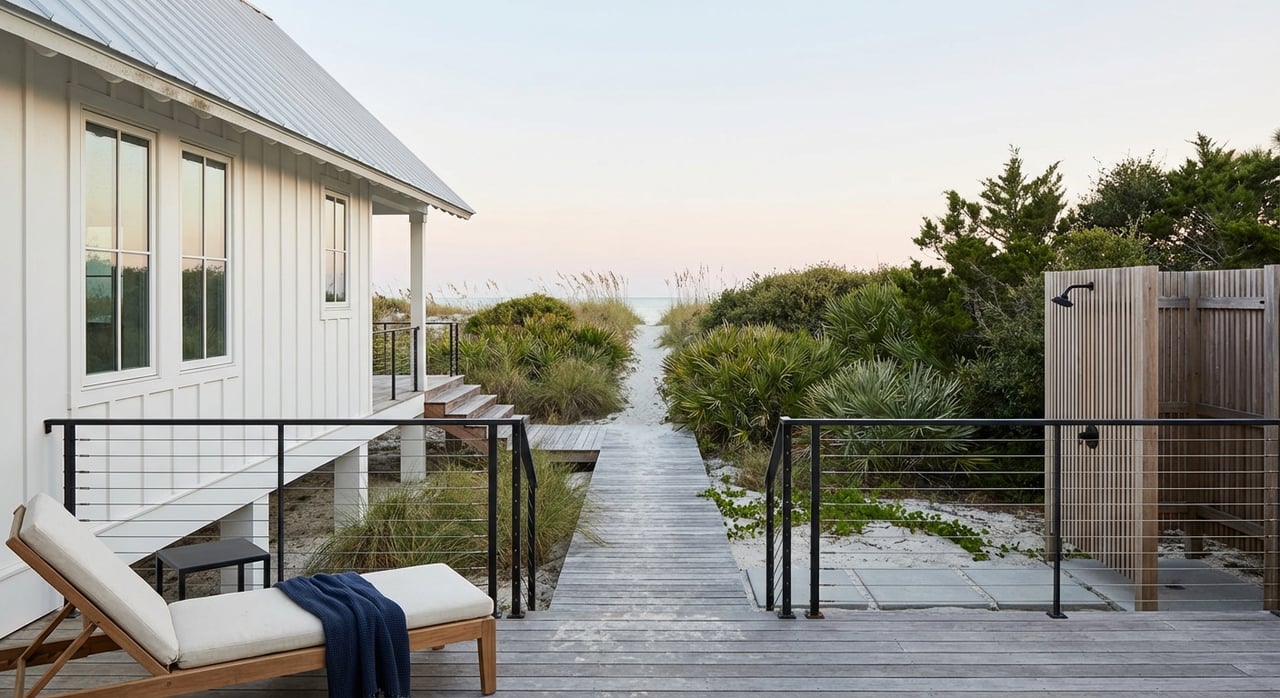
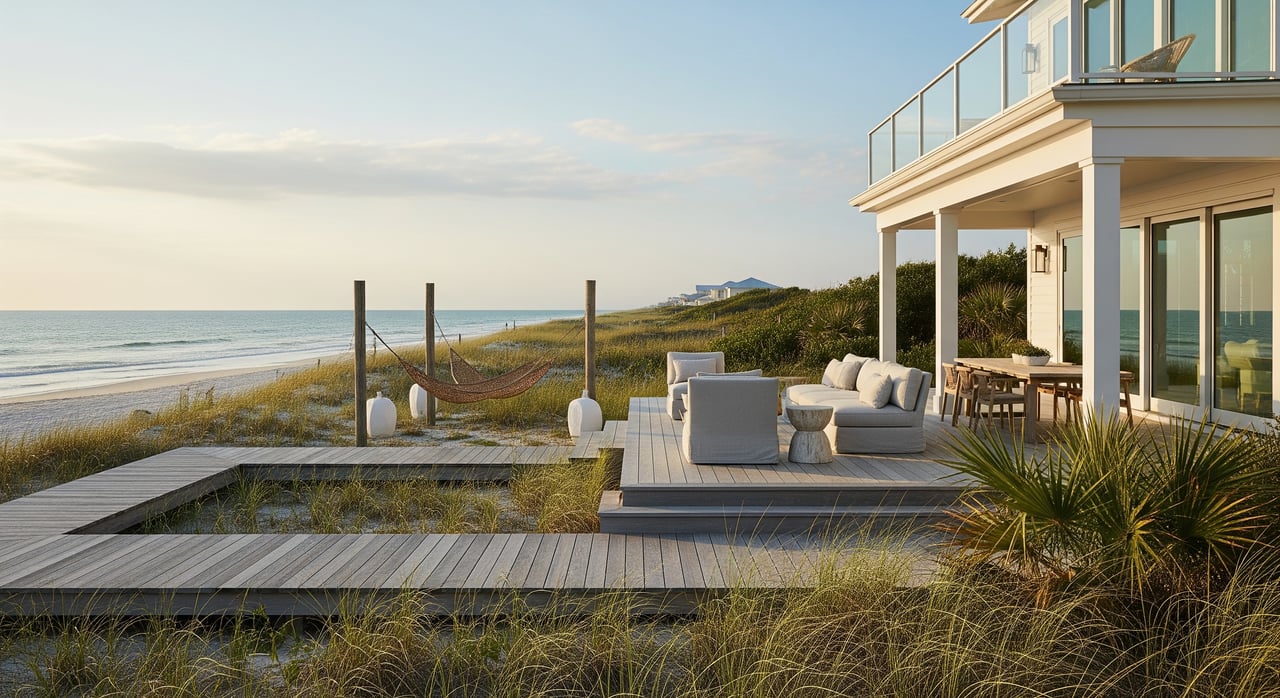
Gulf-front, often called first tier or first row, places you directly on the beach or primary dune with unobstructed Gulf views and deeded or private sand access. This is the premium location that commands the highest prices and the strongest guest appeal.
What “second-row” means
Second-row, sometimes called second tier or one street back, sits just inland of the front dune lot, often across Cape San Blas Road or a single lot behind. You may still get partial or angled views, along with an easier price point and simpler road access.
Practical tip: local usage of “first tier” can vary by neighborhood. Always confirm the lot map and any deeded access before you fall in love with a view.
Price ranges in 32456
Cape San Blas is a thin market with modest annual sales counts, so a few luxury closings can swing averages. Recent summaries put the 2024 median around the mid to high $800s, with the average above $1.1M due to higher-end activity. Interpreting price requires an apples-to-apples look at each subdivision and bed-bath count.
- Gulf-front: expect a wide band. Smaller gulf-front condos and older cottages can start around the mid $500Ks, while single-family gulf-front homes commonly range from about $1M into the $3M–$4M+ tier for luxury builds.
- Second-row: you’ll often see a rough $300K–$900K band depending on size, age, and amenities. Newer or larger second-row homes with pools and multiple suites can approach or exceed $1M.
Because sample sizes are small, use the most recent 6–12 month sold comps in the same neighborhood to fine-tune your target price.
Access, views, and privacy
Beach access and everyday convenience
- Gulf-front gives you direct boardwalk or dune access and true sunset-facing views. This is the biggest value driver for personal enjoyment and vacation demand.
- Second-row typically means a short walk or golf-cart ride to a boardwalk or public beach access. You trade a few extra steps for a lower buy-in price and easier road access.
Privacy and beach activity
- Gulf-front puts you closest to shoreline activity, which can mean more foot traffic in front of your home during popular hours.
- Second-row often offers more yard privacy and separation from public beach use, which some owners and guests prefer.
Maintenance and storm exposure
Salt, wind, and materials
Gulf-front homes face more salt spray and wind exposure. That can mean more frequent exterior painting, faster wear on HVAC and metals, and careful attention to corrosion-resistant materials. Many homes along the Cape use impact-rated windows and metal roofs to reduce risk and maintenance.
Foundations and building standards
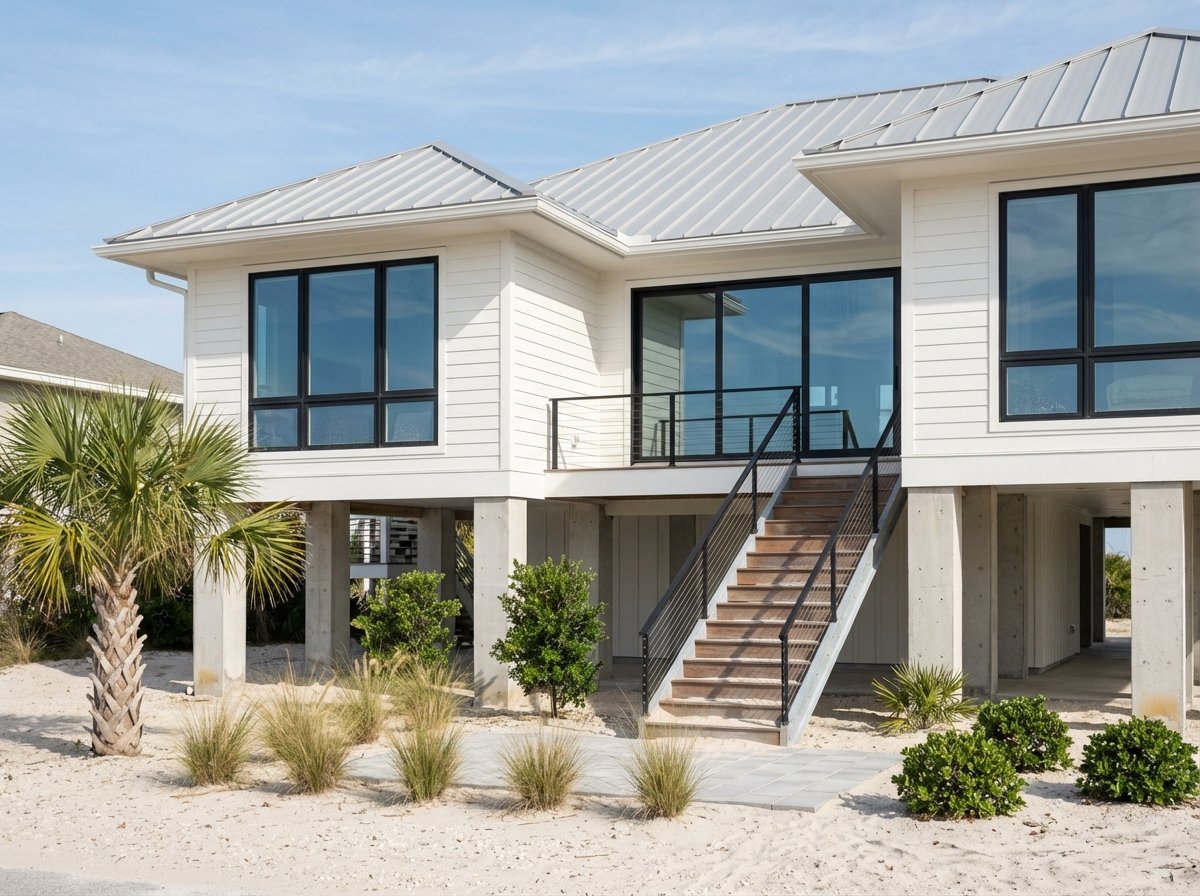
Coastal siting and foundation choices are guided by location and flood zone. Coastal high-hazard zones bring stricter elevation and foundation requirements. If you want an overview of what those zones imply for design and performance, review guidance on coastal flood-resistant construction for V and VE zones from the Whole Building Design Guide. You can also confirm a property’s zone using the FEMA Flood Map Service Center.
- Explore the FEMA Flood Map Service Center to locate current maps: FEMA Flood Map Service Center
Flood, CCCL, and insurance
CCCL: where you can build and how
Florida’s Coastal Construction Control Line program regulates construction to protect dunes, wildlife, and public access. Many gulf-front parcels on Cape San Blas sit within or near the CCCL, so permitting and design can be more complex. Before you write an offer or plan a renovation, verify whether the parcel is inside the program and what that means for setbacks and structures.
- Learn how CCCL permitting works: Florida’s Coastal Construction Control Line program
- Check a parcel’s position relative to the line: Locate the CCCL for a parcel
Flood zones and elevation
Flood insurance requirements and construction standards are tied to FEMA zones and elevation. Coastal V and VE zones reflect wave-action risk and usually require elevated, open foundations. AE zones require elevation above base flood. Ask for the current FEMA panel, effective date, and an Elevation Certificate to understand insurance and any mitigation opportunities.
- Find flood maps and panels: FEMA Flood Map Service Center
Insurance cost drivers
Annual flood and wind premiums vary by zone, elevation above base flood, age and type of construction, and coverage limits. Elevation certificates, proper flood vents for enclosed areas, and impact-rated openings can change quotes meaningfully. Plan to obtain quotes tied to the exact parcel and structure before you finalize a budget.
Rental potential: premium vs net
Gulf-front location reliably commands a guest premium. Independent research on seaside accommodations shows measurable price premiums for beachfront and sea-view stays, often in the low to mid-teens in percentage terms, with local variability. That premium shows up on Cape San Blas as higher advertised nightly rates for gulf-front 4–6 bedroom homes in peak season, which often list in the $500–$900+ range. Second-row listings commonly post lower nightly rates.
- See research on sea-view price premiums: peer-reviewed study on seaside accommodation pricing
Remember that higher gross revenue must cover a higher purchase price, more expensive insurance, and potentially higher exterior maintenance. If you are buying for rental income, request 12–24 months of actual booked revenue, expenses, and occupancy calendars rather than relying on projections.
Beach driving and guest logistics
Parts of Gulf County, including stretches of Cape San Blas and Indian Pass, allow permitted beach driving during daytime hours. Non-resident permits are commonly around $300 per year, with lower fees for residents and property owners. Speed limits, daylight rules, and access points are enforced to protect safety and wildlife. If drive-on access matters to you or your guests, verify the nearest permitted ramps and current permit costs.
- Check Gulf County beach driving permits and rules: beach driving info and FAQs
Shoreline changes and beach width
Cape San Blas and St. Joseph Peninsula have seen periodic shoreline restoration and nourishment planning over the years. Project timing, funding, and scope can affect usable beach width near a property. If your choice depends on today’s sand width, review local history and ask about current plans in your immediate area.
- Follow shoreline restoration updates: Cape San Blas community updates
- Learn about coastal project oversight: DEP Beaches program
Decide with this 10-point checklist
Use these questions on any gulf-front or second-row listing in 32456:
- Lot position and access
- Where is the home relative to the mean high-water line and the CCCL? Is there deeded beach access? Verify on parcel and DEP maps. Try: Locate the CCCL for a parcel
- FEMA zone and elevation
- What is the current FEMA flood zone and panel number? Request the Elevation Certificate. Check maps at the FEMA Flood Map Service Center
- Insurance quotes
- Ask for recent flood and wind quotes, including carrier names, deductibles, and coverage limits for this structure.
- Dune and shoreline history
- For gulf-front, ask about dune migration, any coastal repairs, and past permits or nourishment nearby. See the DEP Beaches program
- Rental performance
- If investing, request the last 12–24 months of booked revenue, expenses, and occupancy calendars.
- HOA rules and fees
- Confirm rental minimums, occupancy caps, exterior rules, and any beach or boardwalk maintenance responsibilities.
- Systems and structure
- Clarify septic versus community sewer, age of roof and HVAC, impact-rated openings, and any wind-mitigation reports.
- Beach driving logistics
- Identify which access ramps serve the property and current permit costs: beach driving info and FAQs
- Inspections
- Ask for any recent termite, structural, and septic inspections, or plan for these during due diligence.
- True comps
- Build a comp set by bedroom count, lot position, frontage, and effective age within the same tier and subdivision over the last 6–12 months.
What fits your goals
Choose gulf-front if you want the most immersive beach experience, the strongest view premium, and direct sand access, and you are comfortable with a higher acquisition cost and potentially higher insurance and maintenance. Choose second-row if you want a lower entry price, more privacy, and simpler logistics, and you can live with a short walk or cart ride to the sand. Either path can be right if it aligns with your budget, risk tolerance, and how you plan to use the home.
Ready to compare specific properties in 32456, run insurance quotes, and model rental scenarios with real numbers? Reach out to Debbe Wibberg for a personalized, hyperlocal plan.
FAQs
What does “first tier” mean on Cape San Blas?
- It is local shorthand for true gulf-front or first-row placement with direct beach adjacency and unobstructed Gulf views, often with deeded access.
How much more do gulf-front homes cost than second-row in 32456?
- Expect gulf-front to command a clear premium, ranging from smaller units in the mid $500Ks up to $1M–$4M+ for single-family, while many second-row homes trade roughly in the $300K–$900K range depending on size and age.
Do I need special permits to build near the beach on Cape San Blas?
- Possibly. Parcels near or seaward of the CCCL usually require state review; start with the Florida CCCL program and confirm your lot’s location.
How do FEMA flood zones affect my insurance and build options?
- Zones like V and VE require elevated, open foundations and typically trigger flood insurance for financed purchases; confirm your panel and Elevation Certificate at the FEMA Flood Map Service Center.
Can I drive on the beach near a home on Cape San Blas?
- Some stretches allow permitted daytime driving with decals and strict rules; verify current access points and fees via local resources like these beach driving FAQs.
What documents should I review if I plan to rent the home?
- Ask for 12–24 months of booked revenue, expenses, and occupancy calendars, plus HOA rules, insurance quotes, flood zone and elevation data, and any maintenance logs.