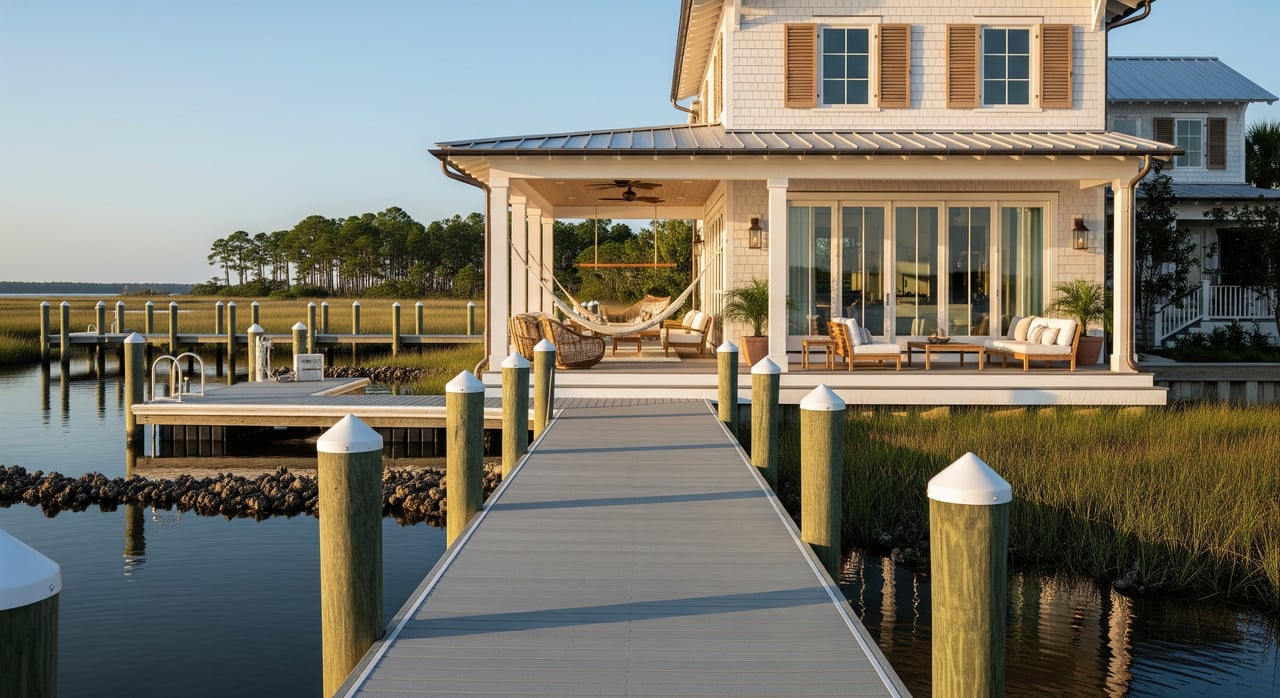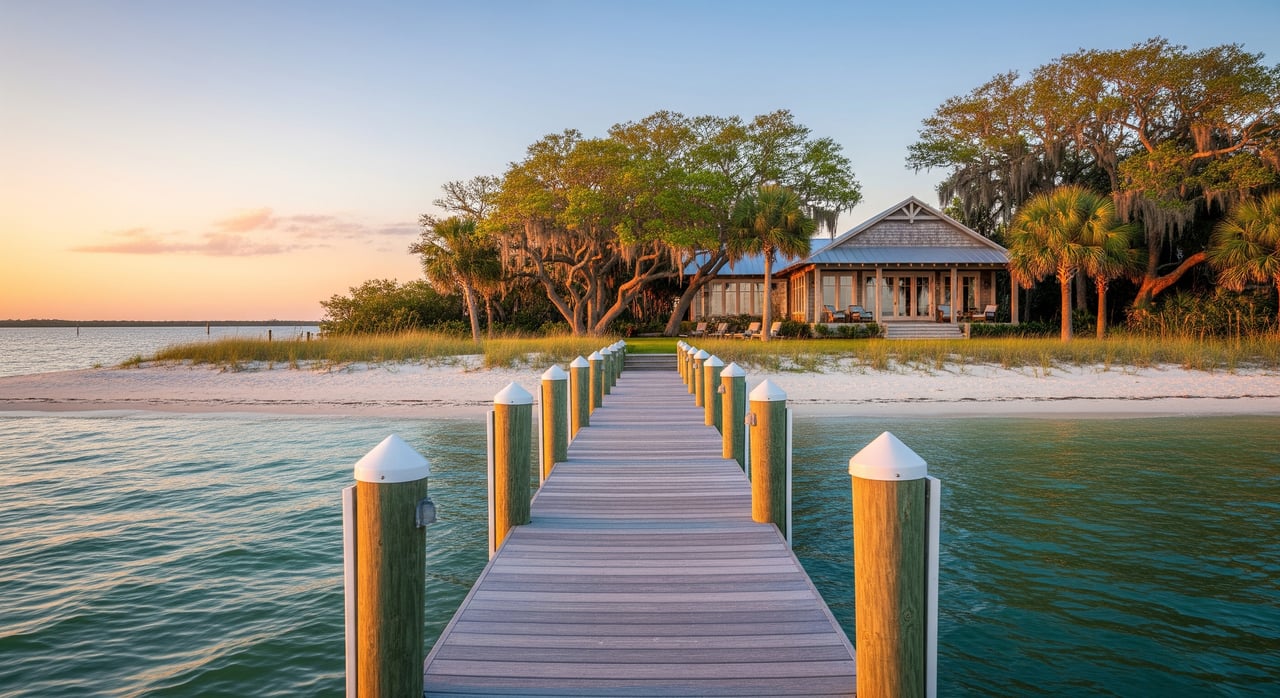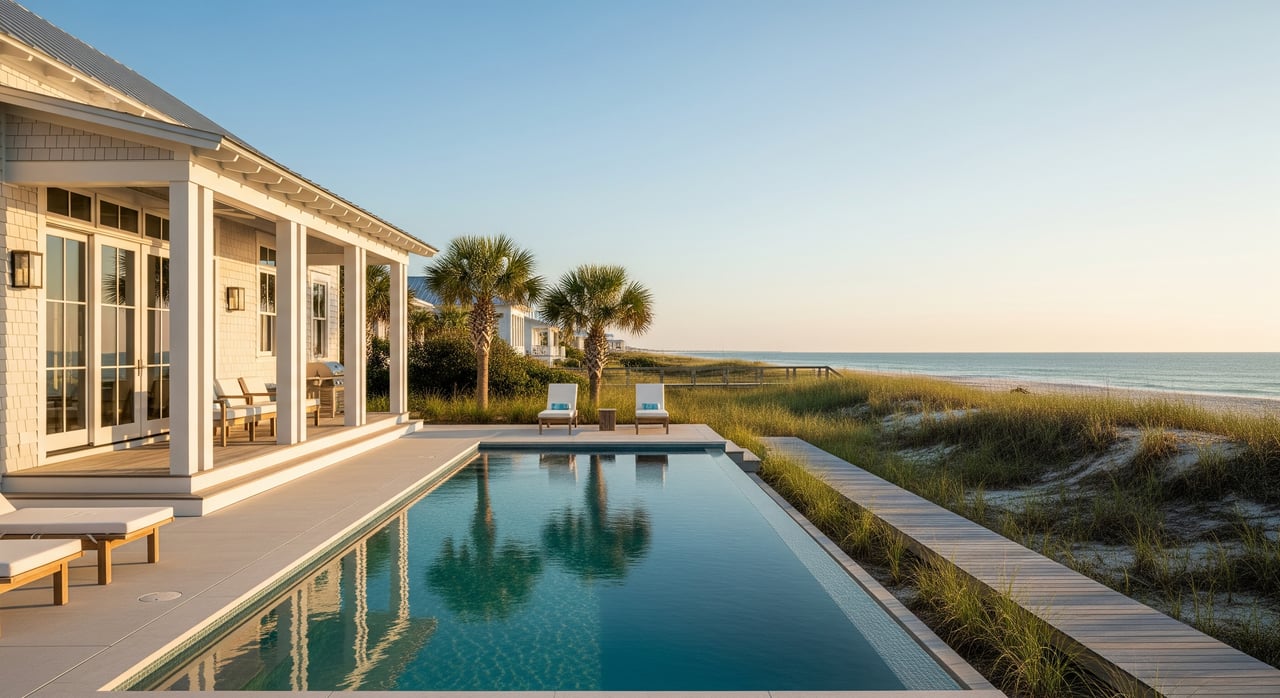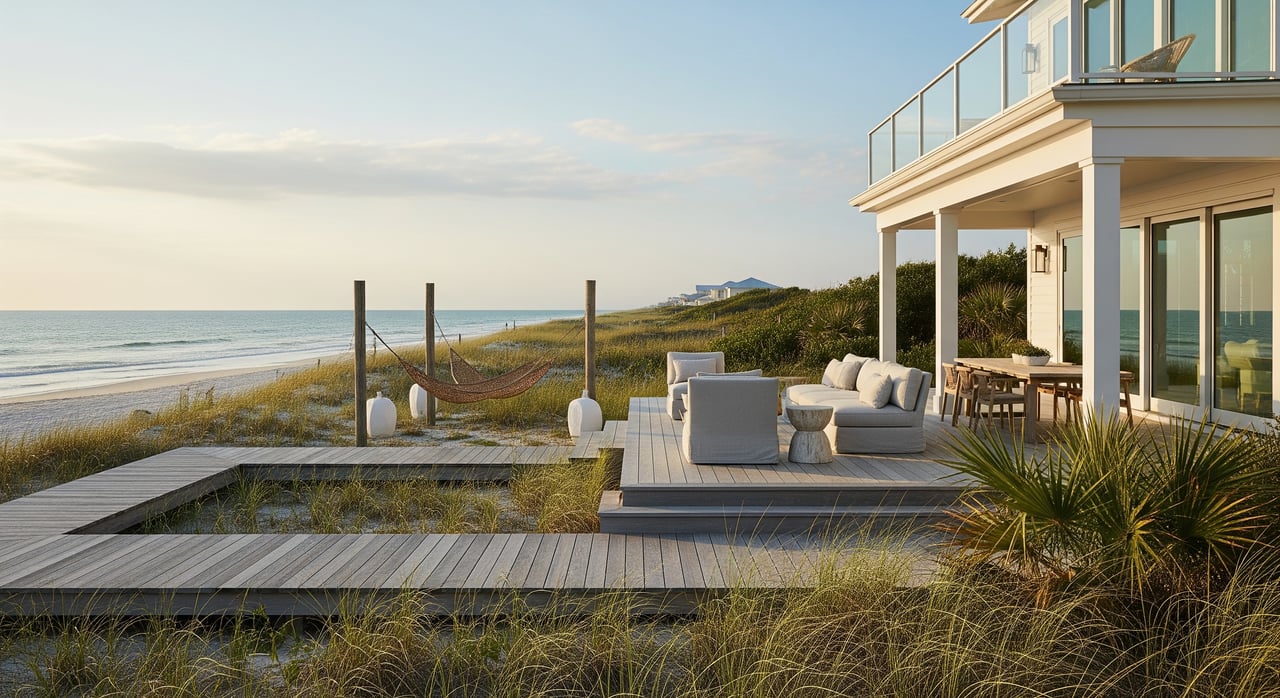
Is St. Joe Beach your next everyday home, or the beach escape you slip away to on Fridays? If you are weighing full-time living against a second home, you are not alone. The Port St. Joe and St. Joe Beach area offers small-town coastal charm, but it also comes with practical tradeoffs like commute times, storm planning, and seasonal rhythms. This guide helps you compare the two paths so you can buy with confidence. Let’s dive in.
St. Joe Beach at a glance
St. Joe Beach sits along Florida’s Forgotten Coast in Gulf County, near Port St. Joe and the St. Joseph Peninsula. The area is quieter than larger resort towns, with a slower pace and small-town services. You will find everyday conveniences in Port St. Joe, while big-box shopping and broader services are in nearby hubs.
Panama City and Panama City Beach are roughly 40 to 60 minutes away by car. Tallahassee is about 1.5 to 2 hours. Pensacola and Destin are farther and not practical for daily commuting. Outdoor life is a major draw, with St. Joseph Peninsula State Park, St. Joseph Bay, fishing, scalloping in season, boating, kayaking, birding, and shelling.
The climate is humid subtropical, which means hot, humid summers and mild winters. Hurricane season runs June 1 through November 30. Tropical storms, high winds, storm surge, and coastal flooding are part of coastal ownership, so planning is essential for any property choice.
Full-time living: what to expect
Choosing St. Joe Beach as your primary residence can deliver a relaxed coastal lifestyle. It is a strong fit if you value nature, a smaller community, and you can work remotely or handle a longer commute. Here is how daily life plays out.
Daily essentials and errands
Port St. Joe supports basic groceries, pharmacies, hardware, and local restaurants. For specialty items and big-box retailers, you will likely drive to Panama City or Tallahassee. That rhythm works well for routine needs, with periodic longer trips for specialty shopping. Keep a storm-ready mindset and consider a backup power plan since outages can happen during severe weather.
Work and connectivity
Full-time living gets much easier if you can work from home. Internet and cell service vary by neighborhood. Some areas have cable or fiber, while others rely on DSL, fixed wireless, or satellite options, including low-earth-orbit services. Verify providers and tested speeds at the exact address before you buy.
Healthcare and schools
Local clinics and urgent-care type services are available nearby. For full-service hospitals and a wide range of medical specialists, you will travel to Panama City or Tallahassee. Emergency response and transport times can be longer than in metro areas, which is important for older buyers and households managing chronic conditions.
Public schools are operated by the Gulf County School District. There are fewer school and extracurricular options than in larger counties. If schools are a priority, verify enrollment zones, transportation logistics, and schedules that fit your family’s needs.
Commuting and transportation
A daily commute to Panama City is feasible at roughly 45 to 60 minutes each way. A daily Tallahassee commute is not practical for most people. Seasonal traffic during summer and holidays can add time. If you plan to commute, test the route during your likely drive times.
Weekend escape: how it works
If you picture arriving on a Friday, dropping bags, and heading straight to the sand, St. Joe Beach fits that vision. Second-home ownership is common on this coast, with a laid-back feel and strong summer appeal.
Packing and planning tips
Short stays are easy with local groceries and dining nearby. Bring specialty items with you or plan a quick shopping run at the start of the trip. Some owners explore grocery delivery from Panama City, though availability can vary by address. Summer and holiday weekends are busier, so expect more cars at beach access points and plan parking and timing.
Rental potential and rules
Many coastal neighborhoods allow short-term rentals, but rules vary. Check Gulf County and Port St. Joe zoning and any required local registrations. Review HOA covenants, deed restrictions, occupancy limits, parking, and noise rules before you make an offer. Summer often delivers the strongest occupancy and rates, while spring and fall can be steady with fishing and scalloping interest. Winter is typically quieter. Build a conservative rental plan that factors vacancy, management fees, maintenance, and potential downtime during hurricane season.
Absentee owners usually hire a local property manager to handle cleaning, guest services, compliance, and emergency response. Vet availability and service levels early so your operating plan is realistic.
Beach access and coastal factors
Access and park use
You will find public beach access points along the coast. St. Joseph Peninsula State Park has designated entrances and charges park fees. Parking at popular access points and the park can be limited during peak months. Dune crossovers and protected vegetation areas are regulated to protect the shoreline. Even with private beachfront, dune and vegetation protections still apply.
Insurance, flood zones, and codes
FEMA flood maps define flood zones and insurance requirements for lenders. Many coastal homes sit in high-risk zones such as AE or V, which can mean higher flood insurance premiums. Private flood policies exist in addition to the National Flood Insurance Program. In Florida, windstorm coverage and hurricane deductibles are separate pieces of your policy and can be significant.
Before you buy, obtain current flood and wind insurance quotes and request the property’s elevation certificate. Review building codes, roof age, and mitigation features such as impact windows and hurricane straps, which can help with safety and may reduce premiums. Gulf County enforces coastal construction standards, and certain projects or dune work require permits.
Storm planning and resilience
Know your hurricane evacuation route and any constraints related to peninsula roads. Create a plan for securing the home before storms and for returning after roads reopen. Long-term owners often invest in elevation, tie-down hardware, and impact-rated openings. Absentee owners should keep a pre- and post-storm checklist and line up a reliable local contact or manager.
Day-in-the-life snapshots
Remote worker, full-time resident
You start the day with a quick beach walk, then log on from a home office with verified high-speed internet. Lunch is in Port St. Joe, and a late afternoon paddle on St. Joseph Bay wraps the workday. You handle routine groceries locally and plan a monthly trip to Panama City for bulk items or specialist visits. Storm season adds a simple readiness routine to your calendar.
Weekend family retreat
You arrive Friday evening and stock up at a local market. Saturday is sand, surf, and a kayak launch on the bay, with a shelling stroll at sunset. Sunday is a lazy morning, quick cleanup, and an early drive back to beat traffic. In peak summer, you plan access and parking early to make weekends smooth and stress-free.
Retiree rhythm
Mild winters make daily walks and boating easy to enjoy. You rely on nearby clinics for routine care and schedule periodic trips to Panama City or Tallahassee for specialists. Your home has impact windows and a generator, and your insurance documents and evacuation plan are kept current at the start of each hurricane season.
Costs, risks, and practical tradeoffs
- Full-time fit: You can work remotely or accept a longer commute, you are comfortable with small-town services and periodic trips for specialists and big-box shopping, and you are prepared for storm planning and insurance costs.
- Second-home fit: You want seasonal access to a quiet beach town, you can budget for property management and variable rental income, and you will plan visits around peak seasons and hurricane readiness.
Neither path is “better.” The right choice depends on how you will use the home, your tolerance for coastal risk, and your lifestyle rhythms.
Buyer checklist for St. Joe Beach
Use this list to compare properties side by side before you commit.
- FEMA flood zone for the parcel and any recent map updates.
- Elevation certificate and surveys with finished floor elevation.
- Current flood and wind insurance quotes and premium history if available.
- Utility hookups: municipal water and sewer or well and septic, plus electricity provider.
- Internet and cellular options with tested speeds at the exact address.
- Local zoning, short-term rental rules, and HOA covenants that affect use or rentals.
- Distance and drive times to grocery, pharmacy, urgent care, hospitals, and airports.
- Road access and hurricane evacuation routes, especially on peninsula locations.
- Construction history and code compliance, including roof age and impact openings.
- Estimated property taxes via the Gulf County Property Appraiser and any assessments.
- Availability of local contractors and property managers, plus references.
- Parking and boat storage options if needed.
Key questions to ask a listing agent or seller
- Has the home had hurricane repairs, and are permits and inspections on file?
- Is the property on septic, and when was it last serviced or inspected?
- What flood zone applies per the latest FEMA maps, and has it changed over time?
- Are there HOA rules or county regulations that limit rentals or exterior changes?
- Which utilities and internet providers serve the specific address, and what speeds are realistic?
- Which local contractors and inspectors are experienced with coastal properties and available?
Is St. Joe Beach right for you?
If you want a quieter coastal life with world-class nature at your doorstep, St. Joe Beach delivers. To live here full time, plan for some longer drives for big-city services and take storm resilience seriously. To use it as a weekend escape or rental, confirm local rules, build a conservative income plan, and line up dependable help on the ground. Either way, a clear checklist and local guidance will make your decision easier and your ownership smoother.
If you are ready to compare addresses, review covenants, and confirm flood and insurance details before you write an offer, connect with Debbe Wibberg for a personalized market consultation tailored to Port St. Joe and the surrounding coast.
FAQs
What is the commute from St. Joe Beach to nearby cities?
- Panama City and Panama City Beach are roughly 40 to 60 minutes by car, and Tallahassee is about 1.5 to 2 hours.
When is hurricane season on Florida’s Forgotten Coast?
- Hurricane season runs June 1 through November 30, with late summer and fall typically the most active.
How does flood insurance work for beachfront homes in Gulf County?
- Lenders use FEMA flood maps to require coverage in high-risk zones, premiums can be higher in AE and V zones, and both NFIP and private flood options may be available.
Are short-term rentals allowed in St. Joe Beach and Port St. Joe?
- Rules vary by location, so check Gulf County and Port St. Joe ordinances plus any HOA or deed restrictions for licensing, occupancy, parking, and noise.
What internet options support remote work in the St. Joe Beach area?
- Service is address-specific and may include cable or fiber in some areas and DSL, fixed wireless, or satellite in others, so verify providers and speeds at the property.
What seasons are best for rental demand in the Port St. Joe area?
- Summer is usually strongest, spring and fall are steady with outdoor activities like fishing and scalloping, and winter is quieter with lower occupancy.