Picture your morning coffee on a balcony with Gulf breezes and nothing on your to-do list but a beach walk. If you are eyeing Mexico Beach for a condo or townhome, you are on the right track for low-maintenance living. Still, the details matter. Fees, insurance, flood maps, and association rules can shape your real costs and your peace of mind. This guide breaks down what you can buy, how ownership works, what drives monthly dues, and the smartest due diligence steps. Let’s dive in.
What you can buy in Mexico Beach
Condos near the Gulf
Mexico Beach offers low- to mid-rise buildings close to the beach with 1 to 3 bedrooms. Many units include private balconies, shared beach access, pools, and covered or assigned parking. Floor plans often range from about 800 to 1,200 square feet for compact units, with larger Gulf-front layouts topping 1,300 square feet depending on the building and floor. If you want a turnkey lifestyle with strong on-site amenities, a condo is a natural fit.
Townhomes along the corridor
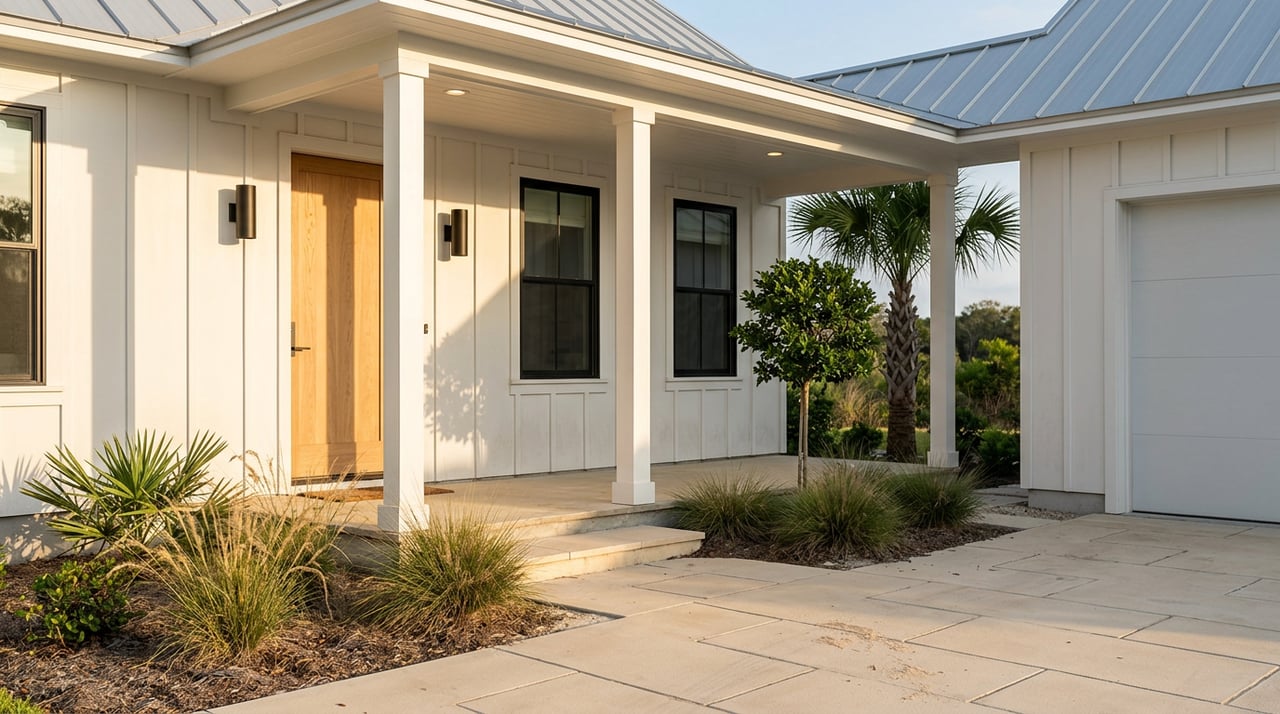
Newer townhome communities near U.S. 98 offer 2 to 3 stories, 3 to 4 bedrooms, and 1 to 2 car garages. They are designed for lower maintenance and can work well for owner-occupants or longer-term rentals. Dues and pricing often run lower than Gulf-front condos because common amenities are simpler. If you want a fee-light, residential feel with a garage and more storage, townhomes are a smart middle ground.
Standalone cottages for control
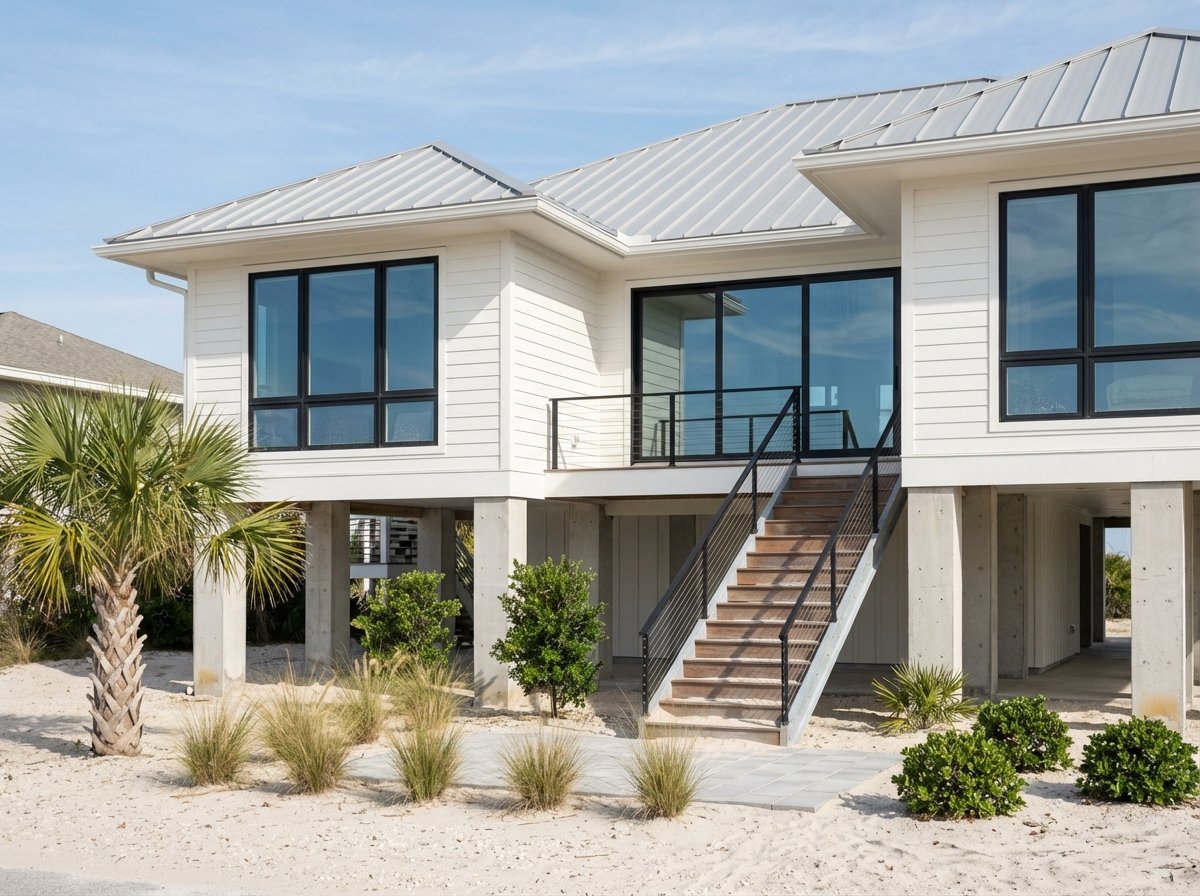
Detached cottages and private beach houses give you complete control of the structure and lot. You will not pay HOA dues unless the property is inside a subdivision with an association. You will, however, budget for all exterior upkeep and full homeowners, wind, and flood insurance on your own. Many houses were rebuilt or elevated after 2018, but older cottages remain, so permits and insurance details deserve a close look.
How ownership works in Florida
Condominiums: shared buildings, clear statutes
Florida’s Condominium Act sets duties for condominium associations, including maintenance of common elements, master insurance responsibilities, and owners’ rights to official records. These rules affect what your fees cover and which records you can request. Review the core duties in the statute and be sure to obtain the association’s records during due diligence. See the Florida Statutes, Chapter 718 for details in Section 718.111.
HOAs and townhomes: different budgeting rules
Homeowners associations in Florida follow Chapter 720. The law addresses budgets, reserves, and financial reporting. Reserve funding can be established or, in some cases, waived by owner vote, and financial reports must disclose reserve status. Since reserves are a key predictor of future special assessments, ask exactly how the HOA funds its long-term repairs. See the Florida Statutes, Chapter 720.303 for budgeting and reserve guidance.
What monthly fees usually cover
Most Mexico Beach condo and townhome associations include some combination of the following in monthly or quarterly dues:
- Association master property and liability insurance for buildings and common areas. Deductibles can be large and may be assessed to owners depending on the loss. The Condominium Act outlines insurance responsibilities in Section 718.111.
- Exterior building and roof maintenance, plus elevators for mid-rise buildings.
- Pool, amenity, and common-area utilities such as lighting and water for shared spaces.
- Landscaping, trash service, pest control, and security or lighting.
- Management company fees and reserve contributions for future projects.
What fees usually do not include: your personal property and interior finishes in a condo unit. Many owners carry an HO-6 policy for contents and interior elements not covered by the master policy. Always review the master policy’s limits and exclusions.
Why fees vary in Mexico Beach
Costs rise with building age, elevators, pools, and beach-access upkeep. Fewer units can mean each owner carries a larger share of fixed costs. Insurance markets also matter along the Gulf; wind and flood exposures can push master policy premiums higher. Local condo assessments can range from the low hundreds per month to well over $1,000 per month equivalent in some Gulf-front buildings with extensive common elements and insurance exposure. Newer townhome communities often report early-phase HOA dues around 75 to 250 dollars per month, depending on whether the HOA covers exterior maintenance, landscaping, common lighting, and trash. Always verify the current fee and exactly what it includes.
Coastal risks, flood maps, and insurance
Check the flood zone first
FEMA flood maps influence lender requirements and insurance costs. Bay County provides updated FEMA flood zone information and explains how map changes can affect properties. With late 2024 adjustments to some designations, it is smart to confirm the current zone and get flood quotes early. Start with the Bay County FEMA flood zones page.
Understand hurricane history and repairs
Mexico Beach experienced catastrophic impacts from Hurricane Michael in October 2018. Rebuilding has emphasized elevation, wind-rated openings, and stronger roof connections. Ask for permits on post-storm repairs and an elevation certificate when applicable. These features can improve resilience and may affect insurance pricing. Review the Hurricane Michael overview to understand why elevation and permitted work matter.
Insurance realities on the Gulf
Condo owners typically carry an HO-6 policy for interior items, while the association holds the master policy on the structure and common areas. Townhome and detached homeowners generally secure full homeowners, wind, and flood insurance themselves. Because master policies and reinsurance costs influence association budgets, premiums and deductibles can drive dues or special assessments. Ask for the association’s certificate of insurance, deductible amounts, and claims history. Statutory references to insurance are in Section 718.111.
Financing and resale for condos
Condo mortgages involve a project review in addition to borrower underwriting. FHA, VA, and conventional lenders may require specific insurance levels, a minimum owner-occupancy ratio, adequate reserves, and no disqualifying litigation. If a project falls short, financing can be denied, which may affect resale demand. Talk with a local loan officer early and confirm the project’s approval path. Learn more about condo mortgage requirements.
Short-term rental rules to know
If you plan to offset costs with rentals, check two layers of rules. First, review the association’s rental policy for minimum stays, caps, and approval steps. Second, confirm whether the property is inside Mexico Beach city limits or in unincorporated Bay County. Bay County operates a short-term rental certificate and inspection program for qualifying properties. Read the county’s short-term rental registration and inspections guide.
Due diligence checklist for buyers
Use this list to move from interest to confident offer. Request documents in writing, and give yourself time to review.
Documents to request
- Recorded declaration of condominium or deed restrictions, bylaws, articles of incorporation, and all amendments. See owners’ records rights in Section 718.111.
- Current-year budget and the most recent financial statements. Reserve disclosures are outlined in Chapter 720.303.
- Reserve study or reserve balances and any board minutes noting planned capital projects or recent special assessments. See Chapter 720.303 for reserve context.
- Certificate of insurance for the association’s master policy, including policy limits, named perils, and deductibles. Statutory references appear in Section 718.111.
- List of any pending litigation, recent claims history, and the association attorney contact. See an overview of risks in this guide to association collections and liens.
- Rental and occupancy rules, including minimum stays and tenant approval steps. Cross-check with county requirements for short-term rental registration and inspections.
- Last 12 months of board meeting minutes and any management contract. Owners’ records access is described in Section 718.111.
Key questions to ask the association
- What is the master policy’s full property insurance deductible, and under what circumstances could owners be assessed for it? See references in Section 718.111.
- Are reserve accounts funded, and when was the last reserve study? Any planned capital projects or special assessments? Reserve practices are discussed in Chapter 720.303.
- Is there any pending or recent litigation, or any uninsured losses? Review this in light of association collections and liens.
- Exactly what is included in the dues: water, trash, landscaping, pest control, cable, internet, parking, or boat slips? Request a line-item budget.
- What are the rules on short-term rentals, pets, exterior changes, and parking? Ask for any rental registration history if the unit has been rented. See county short-term rental registration and inspections.
- For condos, what is the current owner-occupancy percentage, and do any owners hold multiple units? Lenders often have caps; see condo mortgage requirements.
- For recent repairs, can you provide permits and contractor information? Verify licenses through Bay County contractor licensing.
Technical inspections to schedule
- Coastal items: elevation certificate if available, foundation and structural connections, roof and attic attachment, hurricane-rated openings or shutters, electrical and plumbing, and permitted post-Michael repairs. See the Hurricane Michael overview for context.
- Condos: have an inspector review balconies, railings, exterior envelope, and any visible signs of water intrusion in hallways or parking areas.
Cost comparison at a glance
- Condos: You share building costs through dues that typically include exterior maintenance and master insurance. You carry an HO-6 for your interiors and contents.
- Townhomes: A hybrid model. Some exterior items may be covered by the HOA, but many repairs and insurance needs are owner responsibilities. Verify the division of duties in writing.
- Cottages: You control all decisions and pay all upkeep and full insurance yourself. No dues unless an HOA exists in your subdivision.
Next steps and local help
- Confirm the flood zone, then price flood and wind insurance early using the Bay County FEMA flood zones resource.
- Speak with a local lender about condo project approval or a townhome’s insurance profile, and secure a pre-approval that reflects those specifics.
- Request full association documents, budgets, minutes, and the master insurance certificate. Review them with your agent and, if needed, an attorney or CPA.
- Book a coastal-savvy home inspection and, for condos, an evaluation of common areas.
- Verify permits and contractor licensing for any recent work through Bay County contractor licensing.
When you want local insight, careful document review, and a smooth path from first showing to closing, connect with Debbe Wibberg for a personalized plan.
FAQs
Are condo fees in Mexico Beach worth it for downsizers?
- They can be if fees reliably cover exterior maintenance, landscaping, and amenities you would otherwise pay for yourself, but confirm the association’s financial health and reserve funding in recent budgets and reports noted in Chapter 720.303.
Will my lender require flood insurance for a Mexico Beach property?
- If the home or unit is in a FEMA Special Flood Hazard Area, most lenders will require flood insurance; check your current zone on the Bay County FEMA flood zones page and obtain quotes early.
Can I rent my Mexico Beach condo or townhome short term?
- Possibly, but you must check both association rules and local requirements; Bay County runs a short-term rental registration and inspections program for qualifying properties, and city limits may have separate standards.
What single document tells me the most about upcoming costs?
- The current budget and the latest meeting minutes reveal reserve funding, planned capital work, special assessments, and legal issues; review them alongside the disclosures described in Chapter 720.303.