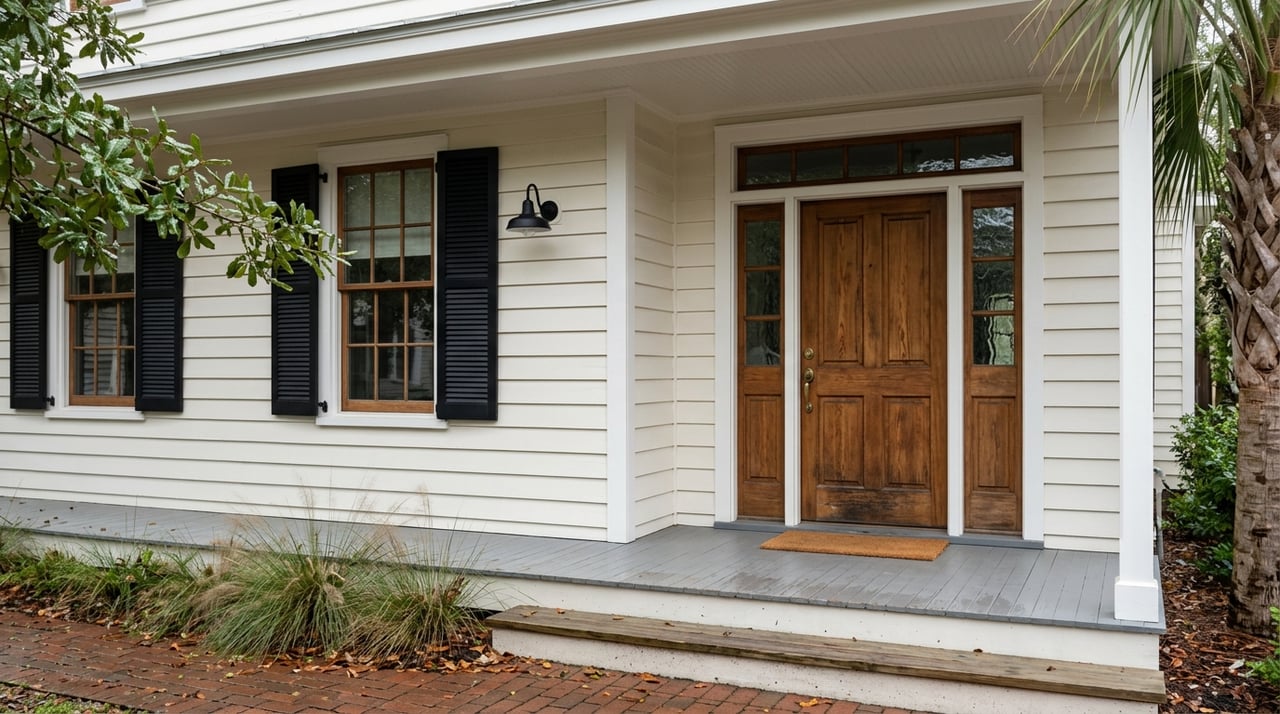
Selling a historic home in Apalachicola can feel like juggling charm, rules, and timing. You want to honor the story in your walls and still move confidently toward a great sale. With the right plan, you can preserve character, avoid delays, and attract buyers who appreciate what makes your home special. This guide walks you through local rules, inspections, sympathetic repairs, pricing, and marketing so you can list with confidence. Let’s dive in.
Know your designation and rules
Before you plan any exterior work, confirm how your property is classified and what reviews apply. Apalachicola’s core is an official Historic District with local design review, and many homes are contributing properties. The city requires a Certificate of Appropriateness (COA) for demolition, moving a historic building, and most visible exterior changes in the district. Review the city’s process and timelines in the Apalachicola Historic Guidelines and note that applications must be filed before board meetings, which can affect your schedule. You can find the COA criteria, timelines, and appeal process in the city’s published guidance.
- Read the city’s COA rules and design guidance: Apalachicola Historic Guidelines
- Get context on the Historic District’s significance: Florida Memory overview
Practical tip: Treat any pre-listing exterior improvements as mini-projects that may require COA and permits. Build in extra lead time for design review calendars and approvals.
Pre-listing checklist
Gather core documentation
A well-documented historic home builds instant buyer confidence. Pull these items together before you list:
- Historic designation paperwork, prior permits, and any COA approvals.
- A simple owner chronicle of changes with dates, contractor names, permit numbers, receipts, and photos.
- A maintenance and restoration ledger with dated photos and invoices for major systems and character repairs.
Schedule essential inspections and reports
Older coastal homes come with unique considerations. Order the right inspections early so you can address issues or disclose clearly.
- Standard home inspection by a licensed inspector experienced with older and coastal homes.
- Structural engineer inspection if you see settlement, pier-and-beam concerns, significant additions, or prior storm damage.
- Wood-Destroying Organisms inspection and official Florida WDO report. Lenders often expect Form FDACS-13645, so keep the signed report on file. See the FDACS Form 13645.
- Lead-based paint disclosure for pre-1978 homes, and testing if requested. Federal law requires sellers to provide the EPA/HUD pamphlet and disclose known hazards. Learn more at the EPA’s lead disclosure rule.
- Asbestos screening if renovation or demolition is likely. If you have suspect materials like older floor tiles or popcorn ceilings, document tests and any abatement or encapsulation. Review EPA homeowner guidance on asbestos.
- Moisture, mold, and HVAC evaluation. High humidity is a reality on the coast. Document remediation and indoor air quality steps so buyers understand how you manage moisture. For context, see EPA guidance on indoor air and moisture in retrofits.
- Flood and elevation review. Confirm your FEMA flood zone and consider obtaining or updating an Elevation Certificate, which helps with insurance and lender questions. Use the FEMA Flood Map Service Center to confirm your current map panel.
- Title and survey review. Check for recorded easements, covenants, or preservation easements that affect exterior changes. Learn how preservation easements work from the National Trust overview.
Line up the right specialists
- Local listing agent experienced with historic Apalachicola and Franklin County homes.
- Historic-preservation architect or consultant to align repairs with the Secretary of the Interior’s Standards and prepare COA materials. See the Standards for Rehabilitation.
- Licensed FDACS WDO inspector authorized to issue Form 13645.
- Certified lead risk assessor or EPA-certified renovator, as needed.
- Asbestos testing and abatement firm, if warranted.
- Structural engineer familiar with historic framing and coastal foundations.
- Surveyor for property lines and any needed elevation documentation.
- Appraiser with experience valuing historic properties.
Draft a realistic timeline
Plan 4 to 12 weeks for pre-listing prep, depending on inspections, reports, small repairs, and any needed COA applications. Allow extra time for board meeting schedules and follow-up requests outlined in the city’s guidance.
Smart, sympathetic repairs
Historic buyers want authenticity plus confidence that the home is protected from the elements. Aim for a rehabilitation approach that preserves what matters most while updating what buyers expect.
- Follow the Secretary of the Interior’s Standards for Rehabilitation. Prioritize repair over replacement, keep changes reversible where possible, and document your work and permits. Review the Standards before you start.
- Put water management first. Roofs, flashing, gutters, porch drainage, and site grading are top priorities to protect historic fabric and reassure buyers. NPS resources emphasize moisture control as foundational to preservation. Explore NPS technical publications and briefs.
- Address foundations and piers. Document conditions and repairs, and preserve visible historic elements when feasible. For flood-prone areas, coordinate early with the local board and use NPS flood adaptation guidelines.
- Repair character-defining features in kind. Original siding, trim, sash, porch flooring, and interior millwork are a big part of your home’s appeal. Match design, texture, and color if you must replace. See NPS technical briefs for window repair strategies and more.
- Improve comfort the historic way. Weather-stripping and well-fitted storm windows can boost efficiency without sacrificing historic windows.
- Upgrade systems with a light touch. Route new ducts or equipment through non-character-defining spaces and secure permits. In mapped flood areas, elevate or protect mechanicals per NPS flood adaptation guidance.
Budget note: Historically sensitive work can cost more due to skilled labor, materials, and review time. Focus on small, high-impact fixes like roof tune-ups, porch stabilization, and careful exterior paint that improve marketability, rather than large projects with uncertain near-term returns.
Pricing, financing, and buyer expectations
Set price using fresh local comps from the MLS and an agent who routinely lists historic Apalachicola properties. Online portals can show different snapshot numbers, which may not reflect your home’s unique character or current micro-trends. Your documentation package will help appraisers and lenders understand the property and can support value.
- Historic designation and easements can influence value. Easements may restrict alterations but also attract buyers who value authenticity. If one exists, include the full document in your disclosures. Learn more about easements from the National Trust.
- Federal rehabilitation tax credit. A 20 percent credit exists for income-producing certified historic rehabilitations. Owner-occupied single-family homes generally do not qualify. See the IRS rehabilitation credit overview and consult a tax professional if you are planning work on an income-producing property.
- Florida programs. The Division of Historical Resources administers grants, but private homeowners are generally not eligible for direct grants. Review current programs and eligibility at the Florida Division of Historical Resources.
- Buyer financing. Homes that need work sometimes call for conventional loans paired with renovation financing. Your agent can coordinate with local lenders and appraisers who understand historic properties.
Market your home’s story
Give buyers a clear picture of your home’s condition, character, and context. A polished, transparent package makes for stronger offers and fewer surprises.
- Clear title and condition items: WDO report (Form 13645), general inspection highlights, and structural or engineer letters if available. Reference the official FDACS WDO form in your packet.
- Safety and environmental disclosures: signed lead disclosure for pre-1978 homes, any asbestos test results, and mold remediation documentation. See the EPA lead disclosure rule.
- Flood information: FEMA zone, elevation certificate if available, and insurance history. Direct buyers to confirm the zone at the FEMA Flood Map Service Center.
- Preservation packet: designation papers, COA approvals, a concise description of restoration work, before-and-after photos, and contractor information. Use the city’s historic guidelines to frame exterior compliance.
- Storytelling assets: highlight character features like original mantels, cypress siding, period windows, and welcoming porches. Add a sense of place with proximity to Apalachicola’s historic squares and waterfront amenities.
How a local advisor helps
Selling a historic home here is equal parts preservation, permitting, and presentation. You deserve a partner who knows the Forgotten Coast and how to position a legacy property.
- Local expertise. Guidance on COA timing, flood considerations, and vendor referrals tailored to Apalachicola and Franklin County.
- Boutique presentation. Curated photography, copywriting that honors your home’s story, and premium digital marketing to reach serious out-of-market buyers.
- Coordination and communication. From inspections to board calendars to buyer Q&A, you get steady, proactive updates so your sale stays on track.
If you are weighing small pre-listing fixes or want a read on current demand for historic cottages and waterfront-adjacent homes, reach out. You will get clear steps, realistic timelines, and market-aligned pricing.
Ready to protect your home’s character and maximize value? Request a personalized market consultation with Debbe Wibberg.
FAQs
What is a Certificate of Appropriateness in Apalachicola?
- A COA is the city’s required approval for demolition, moving a historic building, and most visible exterior changes in the Historic District. Review timelines and criteria in the Apalachicola Historic Guidelines.
Do I have to replace original windows before selling?
- Often no. The Secretary of the Interior’s Standards encourage repair over replacement and using options like weather-stripping or storm windows to improve efficiency. See the Standards for Rehabilitation and NPS technical briefs.
Are lead-based paint disclosures required for pre-1978 homes?
- Yes. Federal law requires providing the EPA/HUD pamphlet and disclosing known hazards, with a buyer opportunity to test. Learn more at the EPA’s lead disclosure rule.
What inspections do Franklin County buyers expect for historic homes?
- At minimum, a general home inspection and a Florida WDO report using FDACS Form 13645. In coastal areas, buyers also expect clarity on flood zone and elevation. Confirm mapping at the FEMA Flood Map Service Center.
Can I use historic tax credits on a single-family home sale?
- The 20 percent federal rehabilitation credit applies to income-producing certified historic properties, not most owner-occupied single-family homes. See the IRS rehabilitation credit.
How long should I plan before listing a historic Apalachicola home?
- Plan 4 to 12 weeks for inspections, reports, small repairs, and any needed COA approvals. Build in extra time for historic board meeting schedules outlined in the city’s historic guidelines.