Wondering whether a turnkey rental or a fix-up is the smarter buy on Cape San Blas? If you are shopping for a vacation home that can also generate rental income, that choice can shape your budget, your timeline, and your stress level after closing. On a barrier peninsula in Gulf County, condition is not just about cosmetics. It affects licensing, insurance, guest appeal, and how quickly you can start welcoming renters. Let’s break down what matters most before you make an offer.
Why home condition matters on Cape San Blas
Cape San Blas sits in Gulf County, where tourism plays a major role in the local economy. Gulf County’s 2024 visitor spending report shows $259.8 million in total visitor spending, with $98.6 million tied to lodging. That tells you there is a real tourism base supporting short-term rentals, even though no single property is guaranteed bookings.
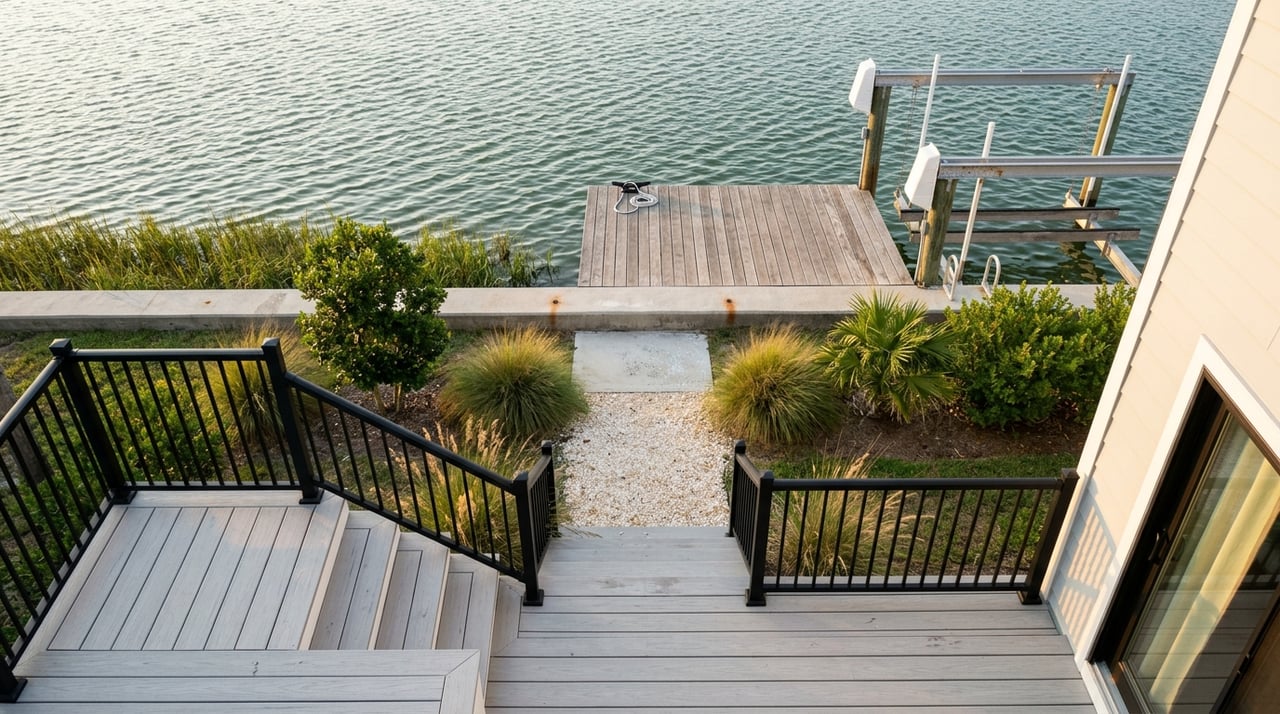
At the same time, Cape San Blas is a barrier island area with ongoing exposure to storm surge and coastal erosion. Gulf County planning and mitigation materials note these risks, and the county provides GIS tools to check flood zones, evacuation zones, and evacuation routes. That means a home’s condition, elevation, and maintenance history should be part of your buying decision from day one.
What counts as turnkey
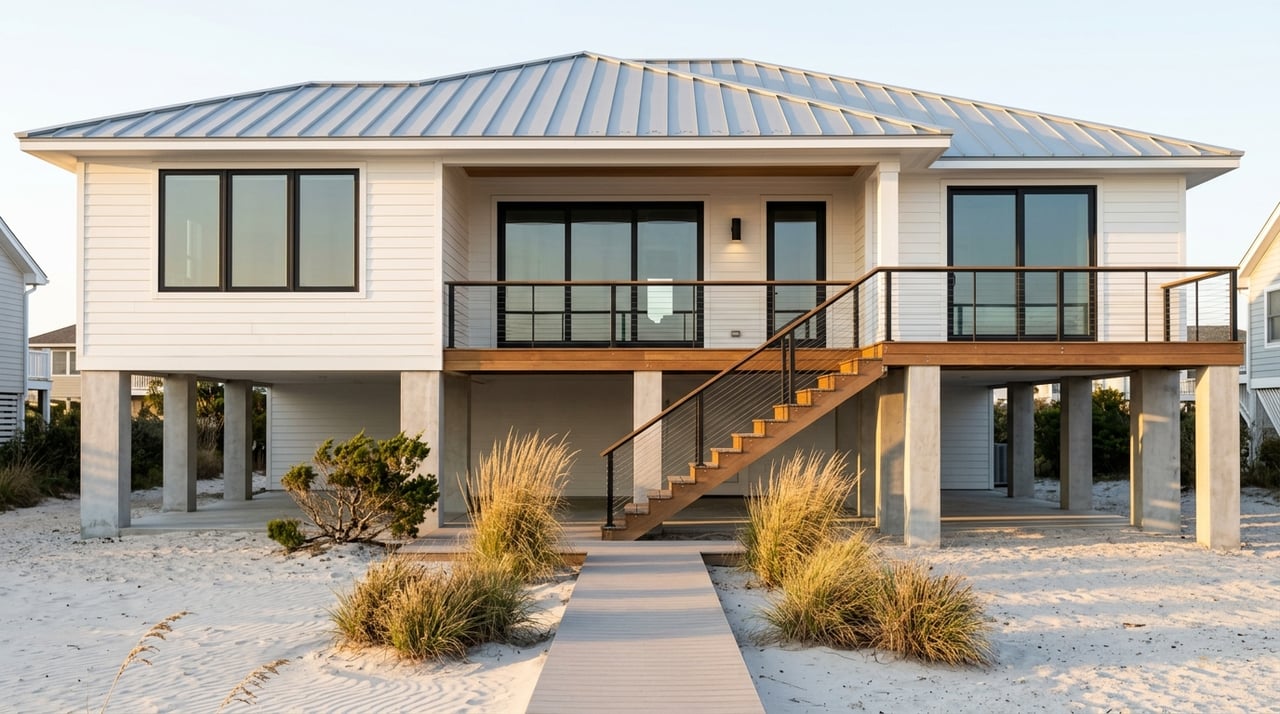
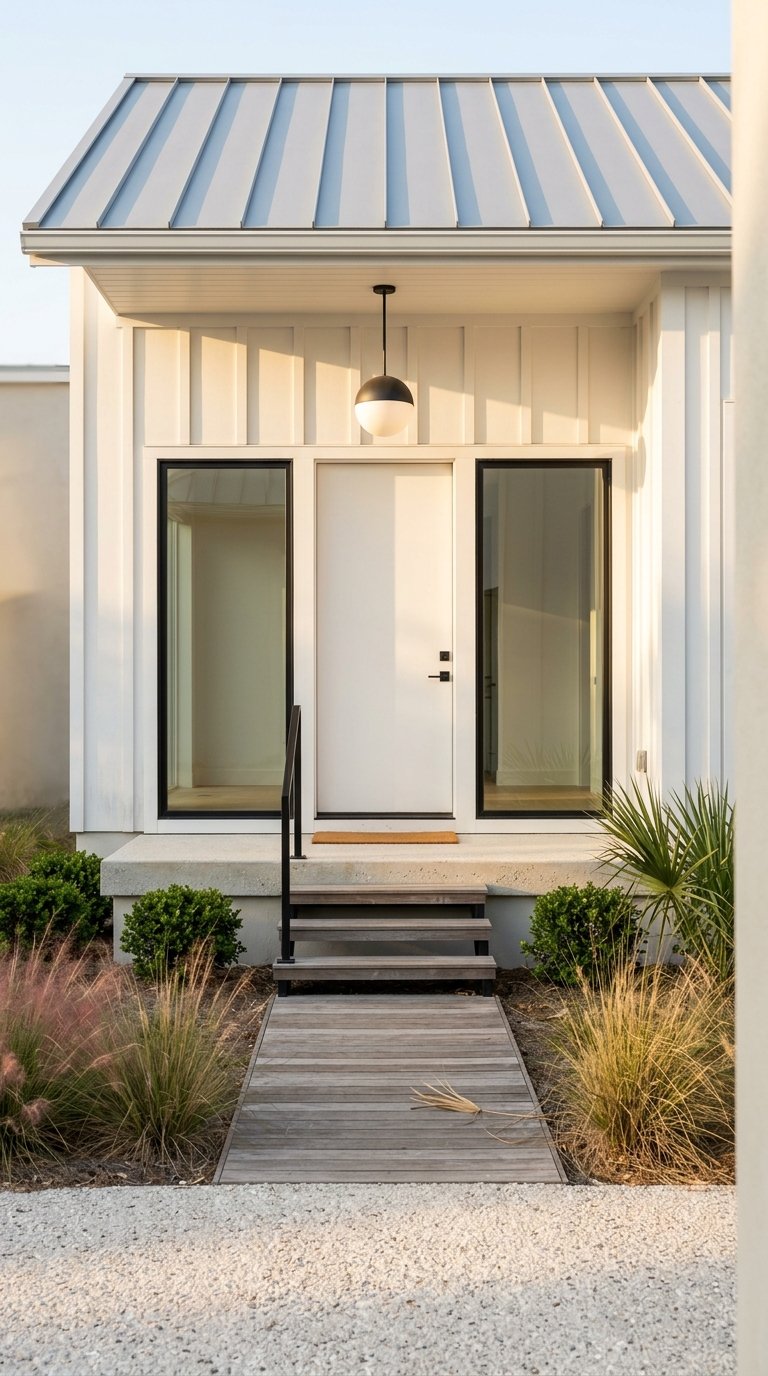
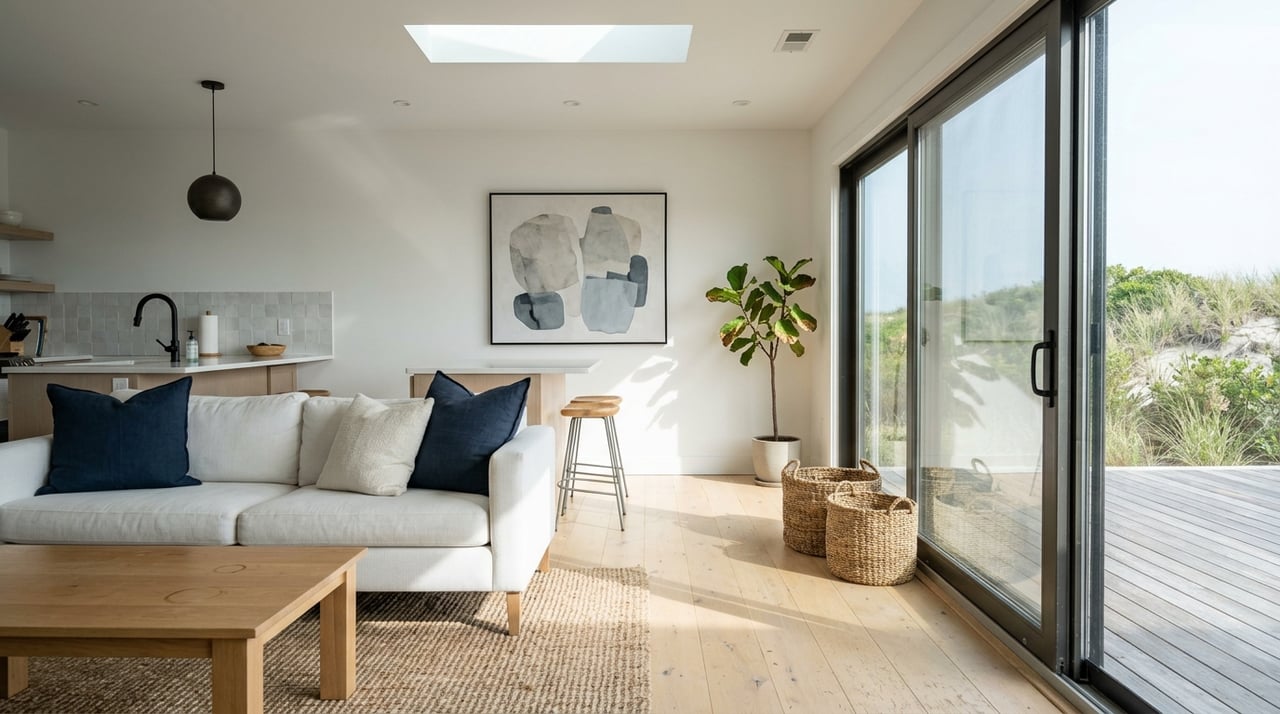
A turnkey rental is usually a home that is clean, safe, in good physical condition, and ready to be photographed, listed, and booked with minimal additional work. In practical terms, that often means the home has updated interiors, working systems, solid exterior maintenance, and a setup that supports guest use soon after closing.
For Cape San Blas buyers, turnkey often means lower friction. If you are buying from out of town, using the home as a second home, or trying to capture an upcoming rental season, fewer repairs and fewer contractor decisions can be a major advantage.
Turnkey advantages
A turnkey property can often move faster from closing to launch. Florida DBPR says online vacation-rental applications are usually processed in one to two business days, but the home still has to be ready to host. If the property already presents well and meets basic expectations for cleanliness and condition, you may be able to start much sooner.
It can also be easier to market. Clean, accurate photos and a listing that matches the in-person condition help support a better guest experience. A well-updated home is usually easier to present as a polished coastal stay, especially in a market where visual appeal matters.
Another plus is fewer early surprises. On Cape San Blas, coastal properties may involve flood-related concerns, lighting rules, and maintenance issues that go beyond what you can see in a quick showing. A home that has already been improved and maintained may reduce the chance that your first season gets delayed by repairs or corrections.
When paying a turnkey premium makes sense
Paying more for turnkey can make sense when time matters more than renovation upside. If you want to use the home personally soon after closing, launch rentals quickly, or avoid coordinating work from another city, the premium may be worth it.
It can also make sense when contractor availability, permit timing, or insurance questions could slow down a renovation. In a coastal market, lost rental time can be just as important as renovation cost. A cheaper purchase price does not always mean a better overall deal.
What counts as a fix-up
A fix-up property is one that needs repairs, updates, or more substantial improvement before it is truly ready to perform well as a rental. That could mean outdated finishes, worn furnishings, deferred maintenance, or larger items like plumbing, drainage, exterior work, or septic-related upgrades.
A fixer can still be a smart buy if the discount is large enough. The key is making sure your budget includes not just the renovation itself, but also permits, insurance, carrying costs, and the income you may miss while the property is offline.
Fix-up advantages
The biggest upside is control. You can improve finishes, refresh the design, and create a rental that feels more intentional and competitive once the work is complete. That can help differentiate the home in photos and in guest expectations.
A renovation may also let you solve issues before they become larger problems. If an older home needs systems work or exterior updates, doing that upfront can create a stronger long-term ownership position. In some cases, that may be better than paying top dollar for a home that still needs hidden work later.
Fix-up risks on Cape San Blas
Cape San Blas adds coastal complications that buyers should not ignore. Gulf County has adopted the Florida Building Code 2023 eighth edition, and permit timing matters if your plan includes additions, plumbing, drainage, or similar work. As of January 1, 2025, septic permits are issued through FDEP rather than the county health department, which can add another layer if septic work is involved.
There are also local compliance items that can affect your renovation choices. Gulf County’s wildlife-lighting ordinance limits beach-facing illumination during turtle nesting season from May 1 through October 31 and requires shielded, downward-directed lighting in many settings. County postings also reference noise and trash ordinances, which means even seemingly simple property upgrades should be reviewed in context.
Then there is the bigger coastal picture. County mitigation materials describe the area as vulnerable to storm surge and erosion over time. So if you are evaluating a fixer near the water, do not limit your budget thinking to paint, flooring, and furniture.
The real cost of a fixer
When buyers compare turnkey versus fix-up, they often focus first on the purchase price. That is understandable, but on Cape San Blas the smarter comparison is total cost to launch.
For a fixer, your true budget may include:
- Renovation materials and labor
- Permit and inspection timing
- Potential septic-related steps if applicable
- Flood insurance planning
- Carrying costs while the home is not producing income
- Furnishing, staging, and photography before launch
- Follow-up repairs found during make-ready
Flood planning deserves special attention. Gulf County’s flood protection guidance says standard homeowners insurance does not cover rising-water damage, and flood insurance has a 30-day waiting period. Buyers should also check flood maps and evacuation information before closing, not after.
That waiting period matters. Even if your renovation moves quickly, insurance timing can still affect your launch plan and risk management.
Rental taxes and licensing to plan for
If you plan to rent the entire home on a short-term basis, there are both state and local steps to expect. Florida DBPR requires a vacation-rental license for whole-unit rentals that are rented more than three times in a calendar year for periods of less than 30 days, or that are otherwise held out as regularly rented short term. Gulf County also has a Short-Term Rental Business License process and a rental inspection checklist.
You should also budget for rental taxes. Florida DOR shows a 6% state sales tax, Gulf County has a 1% discretionary sales surtax, and Gulf County’s transient-rental tax rate is 5%. In simple terms, that is about a 12% tax burden on the rental charge before management fees or platform fees.
For buyers comparing options, this is another reason turnkey can be attractive. If the home is already in strong condition, the path from purchase to compliant launch is often more direct.
Which upgrades matter most for guest appeal
Condition affects bookings because it affects first impressions. Accurate listing details, clean presentation, and high-quality photos all support a better guest experience. On Cape San Blas, a newer or well-updated home is often easier to market as a premium coastal stay.
If you are considering a fix-up, focus first on upgrades that improve both presentation and usability. In many cases, that means:
- Clean, durable finishes that photograph well
- Strong maintenance of exterior areas exposed to salt air and weather
- Lighting that fits local coastal rules where applicable
- A layout and furnishings that feel guest-ready, not owner-overflow
- Repairs that support safety, comfort, and reliable operation
An older home can still perform well, but it often needs more thoughtful staging, more careful listing copy, and more patience before launch. The goal is not to over-improve blindly. The goal is to create a rental that feels clean, reliable, and accurately represented.
How to decide which path fits you
The right answer often depends less on the property and more on your timeline, budget, and tolerance for complexity. A turnkey home may be the better fit if you want faster use, smoother setup, and fewer moving parts. A fixer may be the better fit if you are comfortable managing projects and the discount is large enough to justify the extra time and risk.
Here is a simple way to think about it:
Choose turnkey if you want
- Faster rental launch after closing
- Fewer repair unknowns in the first season
- Less contractor and permit coordination
- Stronger visual marketing from the start
- A simpler experience as an out-of-market buyer
Choose a fix-up if you want
- More control over finishes and final presentation
- A chance to create value through renovation
- A lower initial purchase price with room for upgrades
- A longer runway before expecting rental income
- Flexibility to take on permitting and project management
Why local guidance matters
Countywide market trackers show buyers are operating in a relatively high-price environment in Gulf County, with reported countywide median sale and listing prices that underscore the importance of careful budgeting. In a market like this, the difference between a smart buy and an expensive lesson often comes down to local knowledge.
On Cape San Blas, you are not just buying square footage. You are buying into flood-zone realities, coastal maintenance, licensing steps, local ordinances, and guest expectations. Having clear guidance on condition, launch timing, and ownership costs can help you choose the right property for your goals, not just the most appealing listing photos.
Whether you are looking for a polished turnkey rental or a fixer with upside, working with a local advisor can help you compare the real numbers behind each option. If you want a personalized strategy for buying on Cape San Blas, connect with Debbe Wibberg for trusted local guidance.
FAQs
What does turnkey mean for a Cape San Blas rental home?
- A turnkey rental home on Cape San Blas is generally a property in clean, safe, guest-ready condition that can usually be photographed, licensed, and launched with minimal additional work.
How long does it take to get a vacation-rental license in Florida?
- Florida DBPR says online vacation-rental applications are usually processed in one to two business days, but the property still needs to be fully ready to host and may also need to complete Gulf County local steps.
What taxes apply to short-term rentals in Gulf County, Florida?
- Short-term rentals in Gulf County generally involve a 6% Florida state sales tax, a 1% Gulf County discretionary sales surtax, and a 5% local transient-rental tax, for about a 12% total tax burden on the rental charge before management or platform fees.
What local rules should buyers know before renovating on Cape San Blas?
- Buyers should review Gulf County building and permitting requirements, flood-zone information, evacuation data, wildlife-lighting rules, and local noise and trash ordinances before planning updates or launching a rental.
Is a fixer-upper on Cape San Blas worth it as a rental investment?
- A fixer-upper can make sense if the purchase discount is large enough to cover renovation costs, permit timing, insurance needs, and the rental income you may lose while the home is offline.