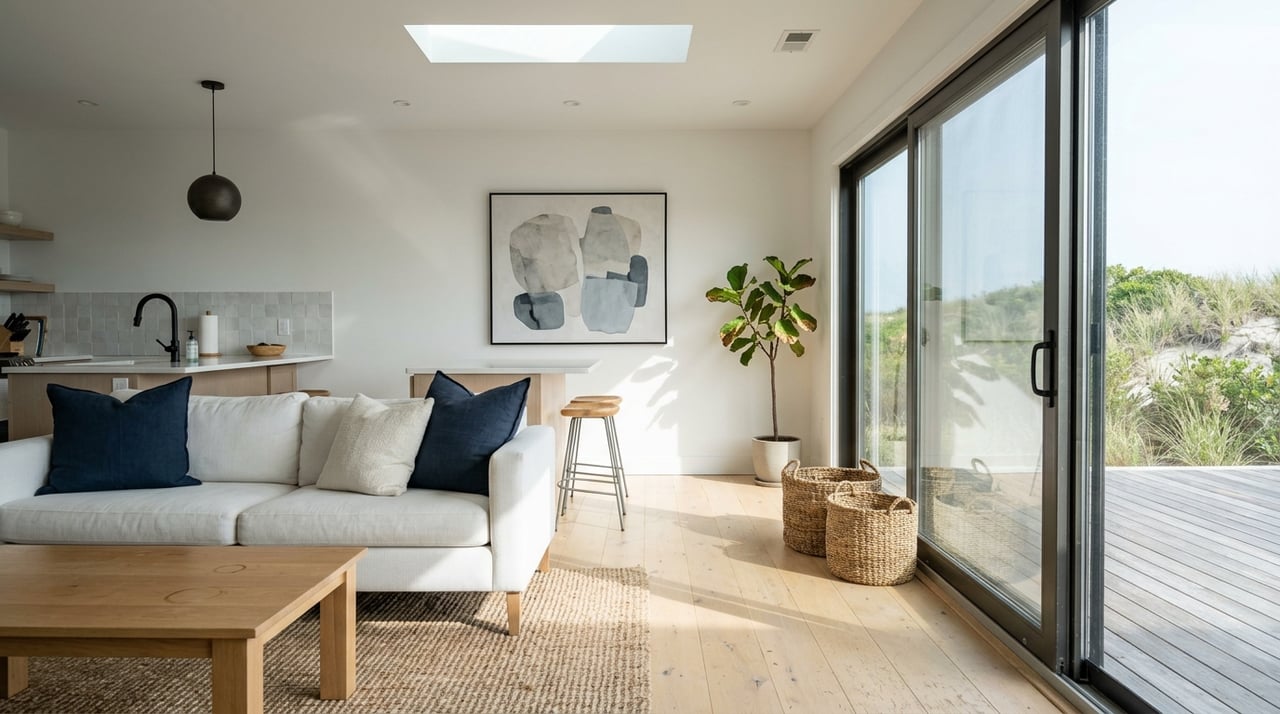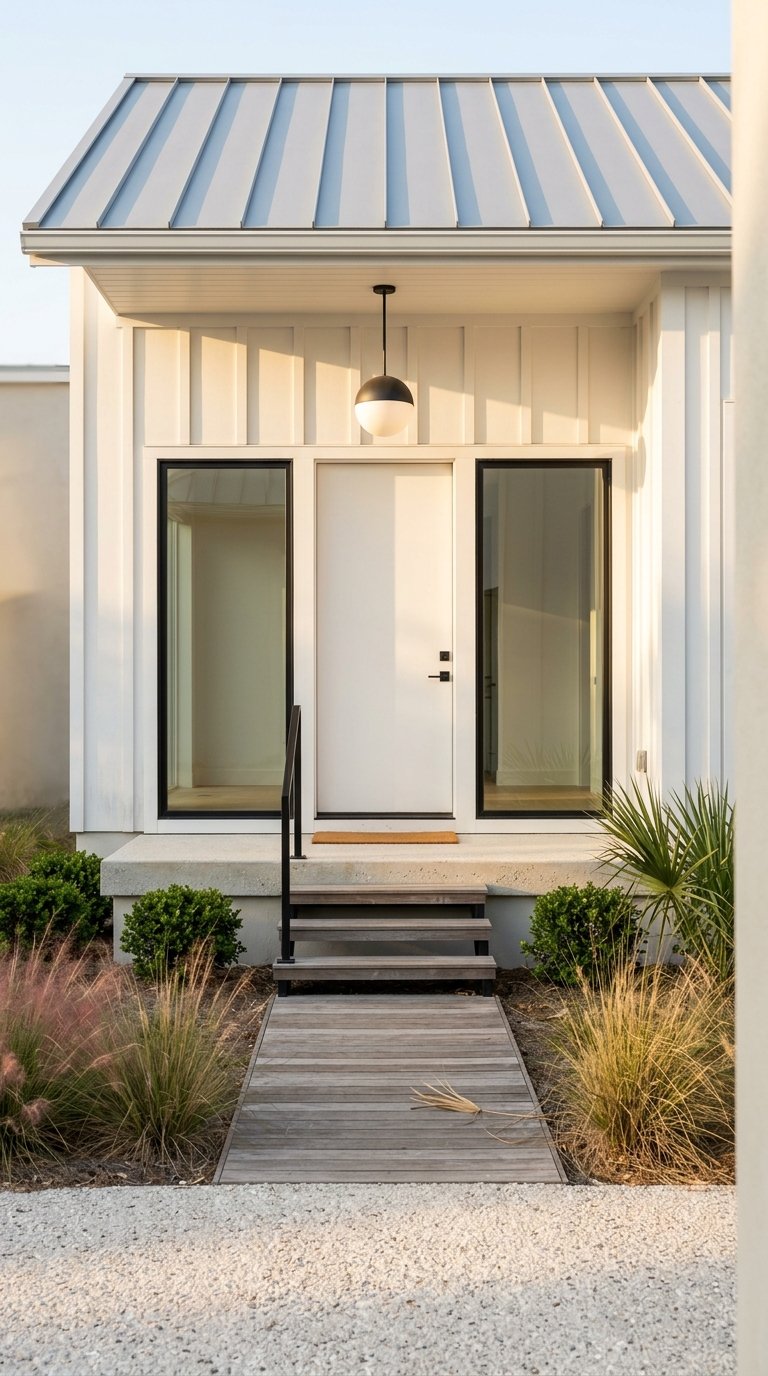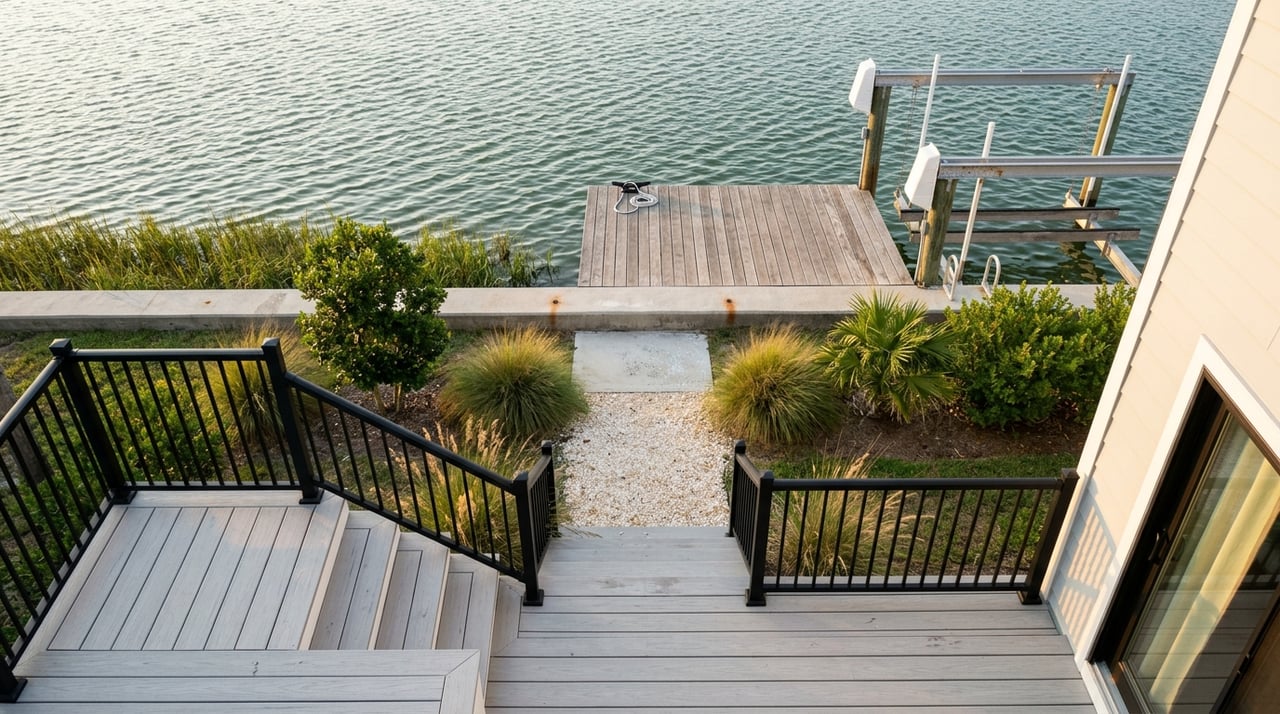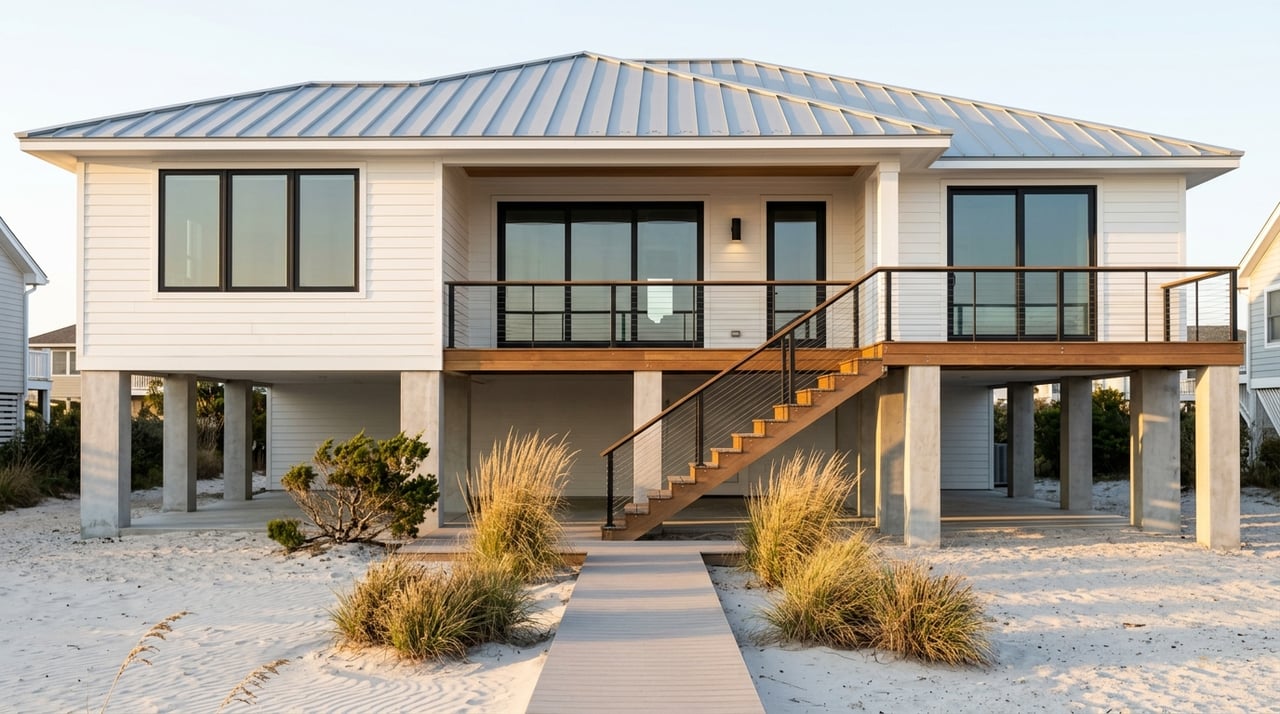
If you picture life on Cape San Blas as one long beach day, you are not entirely wrong, but the real story is more practical and more interesting. When you live here, the coast becomes part of your routine, from morning walks and bay access to quick grocery runs and weather checks before heading out. If you are thinking about buying a home, second home, or coastal property in the 32456 area, this guide will help you understand what everyday life on the Cape really feels like. Let’s dive in.
What daily life on Cape San Blas feels like
Cape San Blas is a narrow stretch of land that extends from Port St. Joe and curves around St. Joseph Bay. Gulf County describes it as about a 20-minute drive from Port St. Joe, with a laid-back setting built around outdoor activity and a slower pace.
That rhythm shapes daily life in simple ways. You are close to beaches, biking, kayaking, fishing, and hiking, but you are also living in a place where planning around weather, seasons, and access points matters. For many buyers, that balance is exactly the appeal.
Beach access is part of the routine
One of the biggest draws of living on Cape San Blas is how easy it is to work the beach into an ordinary day. Instead of treating the shoreline like a special outing, many residents use it the way others use a neighborhood park or walking trail.
St. Joseph Peninsula State Park is the area’s anchor amenity. It is open from 8 a.m. to sunset year-round, and entry is $6 per vehicle. The park includes 10 miles of white-sand beach, nature trails, picnic areas, restrooms, cabins, camping, a boat ramp, and canoe and kayak launch areas.
That means a normal week might include a sunrise walk, an afternoon shelling stop, or a quick evening sunset visit. Florida State Parks also highlights birding, snorkeling, and wildlife viewing, so the beach experience here is broader than just swimming.
Everyday access points matter
Outside the state park, practical beach access matters just as much as scenic beauty. Salinas Park Gulfside gives residents and visitors beach access with bathrooms, a playground, picnic tables, grills, and both drive-on and walk-on access.
For buyers, that kind of infrastructure is worth noting. It can make day-to-day living easier, especially when you are juggling guests, beach gear, or a busy schedule.
Coastal stewardship is part of living here
Living on the Cape also means sharing space with sensitive coastal habitat. Florida State Parks notes that shorebird nesting and sea-turtle habitat are active parts of the beach environment, and visitors are asked to stay off dunes and avoid marked nesting areas.
That is not just a visitor guideline. It is part of the local routine and mindset. If you are considering property here, understanding that stewardship is part of coastal living helps set the right expectations.
Outdoor living goes beyond the beach
Cape San Blas is not only about Gulf-front sand. St. Joseph Bay, trails, parks, and bike routes all shape how people spend their time.
The Loggerhead Run Bike Trail runs about eight miles along the Cape. For many residents, that adds a practical layer to the lifestyle. It gives you a scenic option for exercise, casual rides, and getting outside without making a full beach day out of it.
The state park also includes three nature trails, so hiking and wildlife viewing can be part of your weekly pattern too. This makes the area appealing if you want a coastal setting with more than one kind of recreation.
Boating and fishing are woven into local life
If you love boating or fishing, Cape San Blas offers a lifestyle that is hard to ignore. The park’s boat ramp is the only public boat launch in the Cape San Blas and St. Joseph Peninsula area, and it provides deep-water access to St. Joseph Bay.
That bay is a major local asset. Florida State Parks describes St. Joseph Bay as 73,000 acres of productive fishing habitat, with species that include spotted seatrout, redfish, and flounder.
For some homeowners, that means keeping gear ready for a quick launch when conditions look right. For others, it means choosing property with boating access, storage needs, and proximity to launch points in mind.
Port St. Joe expands your waterfront options
Living on the Cape also connects you closely to Port St. Joe’s waterfront amenities. Point South Marina is known as a hub for boating activity, and George Core Park’s Bay Walk Trail connects to Frank Pate Park’s boat ramp.
Frank Pate Park adds direct bay access, an updated boat ramp, a fish-cleaning station, restrooms, a playground, and pickleball courts. In real life, that means your routine can extend beyond the Cape itself without losing the coastal feel that brought you here.
Shopping and errands stay local, with Port St. Joe nearby
One of the most common questions buyers ask is whether Cape San Blas feels too isolated for daily life. The answer depends on what you need, but most residents find a workable mix of on-Cape convenience and nearby town access.
Along 30E, Gulf County says you will find restaurants, convenience stores, groceries, beach supplies, and souvenirs. Scallop Cove is a good example of the practical side of the Cape, combining bait and tackle, general store items, grocery basics, fuel, ice, and equipment rentals.
That means quick needs can often be handled without leaving the peninsula. For broader shopping and more of an in-town routine, Port St. Joe fills the gap.
Port St. Joe is part of everyday living
Historic downtown Port St. Joe and Reid Avenue serve as the area’s main shopping district. Gulf County highlights locally owned boutiques, sidewalk bistros, day spas, and a farmers market held on the first and third Saturday of each month except January.
The city also notes that historic downtown sits one block off Highway 98, making it easy to work into a normal errand run. If you like a walkable town setting in addition to beach living, Port St. Joe is a big part of the Cape San Blas lifestyle equation.
The Port City Trail adds nearly four miles of paved walking and biking route through town. For full-time residents and second-home owners alike, that gives you another way to stay active while enjoying the area beyond the shoreline.
Dining is casual and locally scaled
If you are expecting a long line of chain restaurants, Cape San Blas and nearby Port St. Joe may feel different from larger beach markets. Gulf County emphasizes locally owned restaurants and a more relaxed dining scene.
You will find options ranging from seafood and pizza to steaks and barbecue. Nightlife is also more casual, with activities like sunset jam sessions and downtown outings rather than a high-energy entertainment district.
For many buyers, that is a feature, not a drawback. The area’s everyday appeal comes from its local scale and easy pace.
Seasonal changes shape the lifestyle
Life on Cape San Blas changes with the calendar, and that is part of what makes it distinct. Florida State Parks notes that loggerhead and green sea turtles nest on area beaches from May through October.
Spring and fall also bring migratory birds and butterflies, while late summer and early fall are especially popular for boating during scallop season. So while the Cape stays beautiful year-round, your routines and the pace of activity can shift from season to season.
That matters if you are buying a full-time residence, second home, or investment property. It helps to think not only about how the area feels on a perfect beach day, but also how it functions across the full year.
Practical realities of coastal living
The most informed buyers look beyond the view and ask the day-to-day questions. On Cape San Blas, those questions often center on weather, beach rules, and how to prepare for coastal conditions.
NOAA says hurricane season runs from June 1 through November 30. Gulf County also notes that public beaches do not have lifeguards, which makes beach awareness and personal responsibility part of normal life here.
Beach driving is only allowed in designated areas, and it requires a permit with a 15 mph limit. Gulf County also uses local beach-flag updates for Cape San Blas and Indian Pass, so checking conditions becomes a regular habit for many residents.
None of this is meant to discourage you. It is simply the practical side of living well on the coast. Buyers who understand these rhythms usually feel more confident and more at home once they settle in.
Why buyers are drawn to Cape San Blas
For many people, Cape San Blas offers a rare mix of natural beauty and everyday usability. You get a coastal setting that feels relaxed and outdoors-focused, plus quick access to Port St. Joe for shopping, dining, and marina amenities.
That balance appeals to a wide range of buyers. Some want a second home near the beach. Others are looking for a full-time residence, a condo, a gulf-front home, or even a vacant lot for a future build.
What matters most is understanding how the lifestyle matches your goals. When you know how the Cape works day to day, you can make a more confident real estate decision.
If you are thinking about buying or selling on Cape San Blas, local guidance matters. For personalized insight into homes, condos, waterfront opportunities, and vacant land in the Forgotten Coast, connect with Debbe Wibberg.
FAQs
What is everyday life like on Cape San Blas, Florida?
- Everyday life on Cape San Blas is centered on beach access, boating, biking, fishing, and a slower coastal routine, with Port St. Joe about 20 minutes away for broader shopping and dining.
Are there public beach access points on Cape San Blas?
- Yes. St. Joseph Peninsula State Park and Salinas Park Gulfside are key public access points, with features like parking, restrooms, picnic areas, and beach entry.
Can you boat and fish easily from Cape San Blas?
- Yes. The public boat ramp at St. Joseph Peninsula State Park provides deep-water access to St. Joseph Bay, which includes 73,000 acres of fishing habitat.
Does Cape San Blas have stores and restaurants nearby?
- Yes. The Cape has convenience stores, groceries, beach-supply stops, and restaurants along 30E, while Port St. Joe offers a larger shopping and dining district.
What practical coastal factors should buyers know about Cape San Blas?
- Buyers should understand hurricane season timing, beach-flag condition updates, no-lifeguard public beaches, designated beach-driving rules, and the importance of respecting dunes and marked nesting areas.