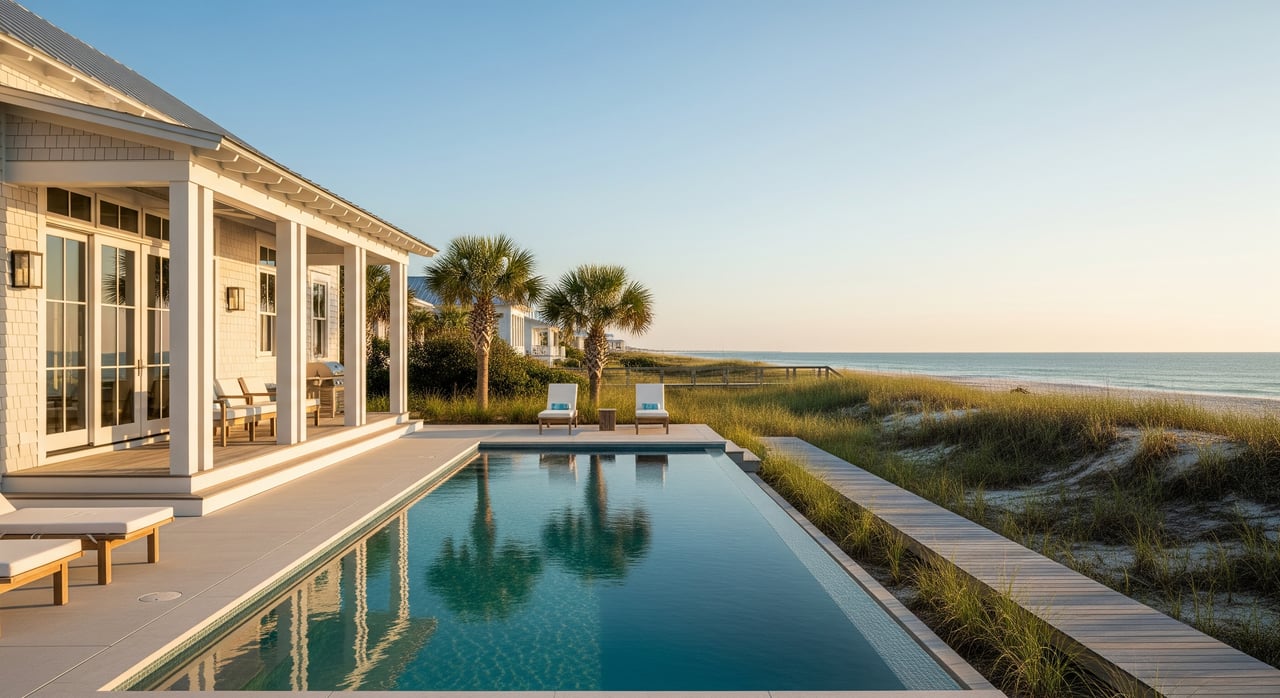
Selling a coastal home is different. In Port St. Joe, water access, elevation, insurance, and seasonality all shape buyer interest and timelines. If you want a smooth sale and a strong result, you need a plan built for this market. In this guide, you’ll get a clear, step-by-step process tailored to Port St. Joe so you can prepare with confidence, price with precision, and market to the right buyers. Let’s dive in.
Know the Port St. Joe market
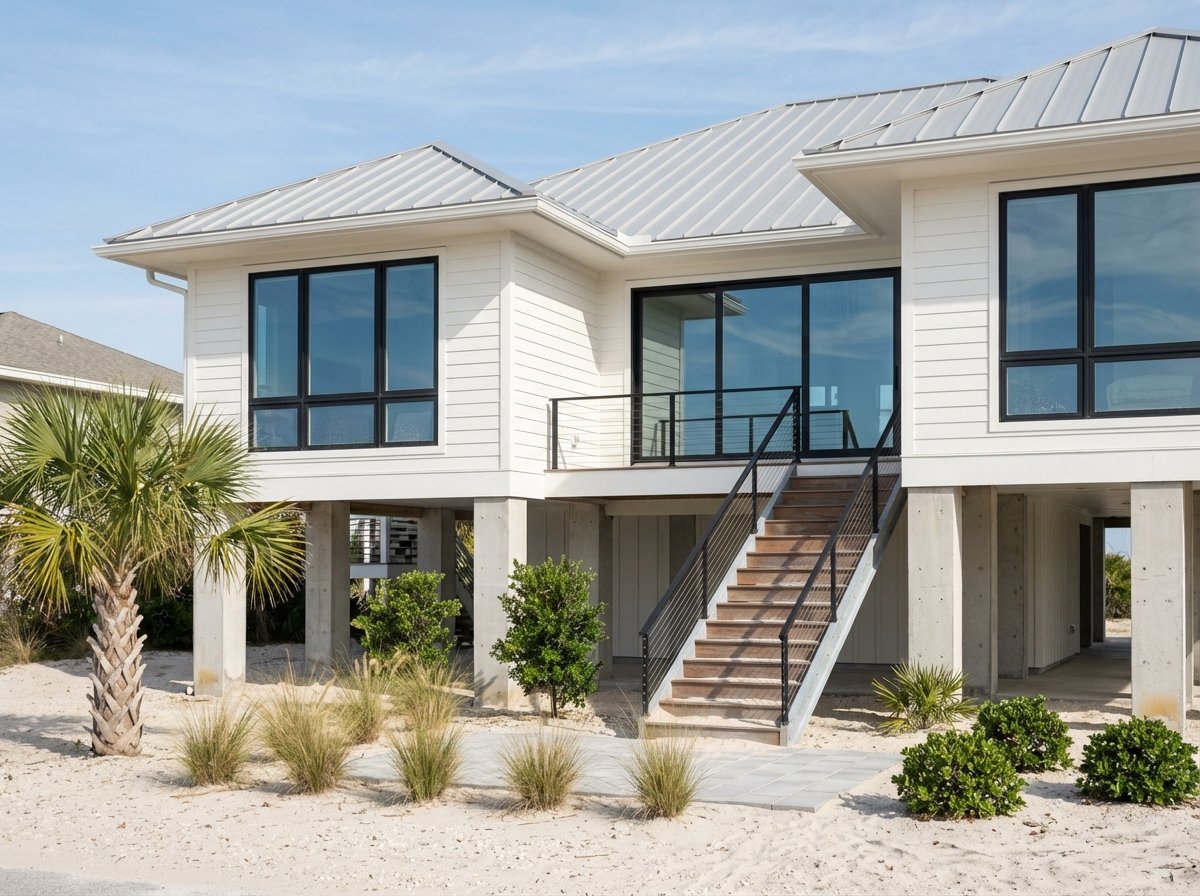
Port St. Joe sits on St. Joseph Bay, and buyers often focus on water access, water views, and proximity to downtown and nearby preserves. Elevation and flood exposure matter to lenders and insurers, which can influence who buys and how quickly they close. There is also steady interest from retirees, second-home seekers, and investors who evaluate vacation rental potential.
Coastal markets are seasonal, with many out-of-state buyers shopping fall through spring. Inventory and local micro-seasons can shift pricing power from month to month. Before you list, review current closed sales, days on market, and active inventory for your neighborhood. A data-backed pricing and launch strategy keeps you a step ahead.
Prepare with targeted inspections
A little preparation can save weeks of negotiation. Consider these pre-listing inspections and documents so you can price accurately and avoid surprises later.
- General home inspection to flag structural or system issues early
- Wind mitigation inspection to document roof attachments, shutters, and features that can reduce insurance costs
- WDO inspection for wood-destroying organisms, which many lenders will require
- Roof inspection and certification if age is a concern
- Flood insurance documents and any elevation certificate you have on file
Having these reports ready builds buyer confidence and helps you move through contingencies faster. It also allows you to address concerns upfront instead of under the pressure of a tight closing timeline.
Make smart repairs and updates
Focus on fixes that matter most in a coastal environment and that boost buyer confidence.
- Address water intrusion points, including window sills and door thresholds, and service the HVAC
- Repair or certify the roof if needed to satisfy insurance underwriting
- Refresh with paint in neutral tones, deep clean, declutter, and brighten lighting
- Improve curb appeal with low-maintenance native coastal landscaping
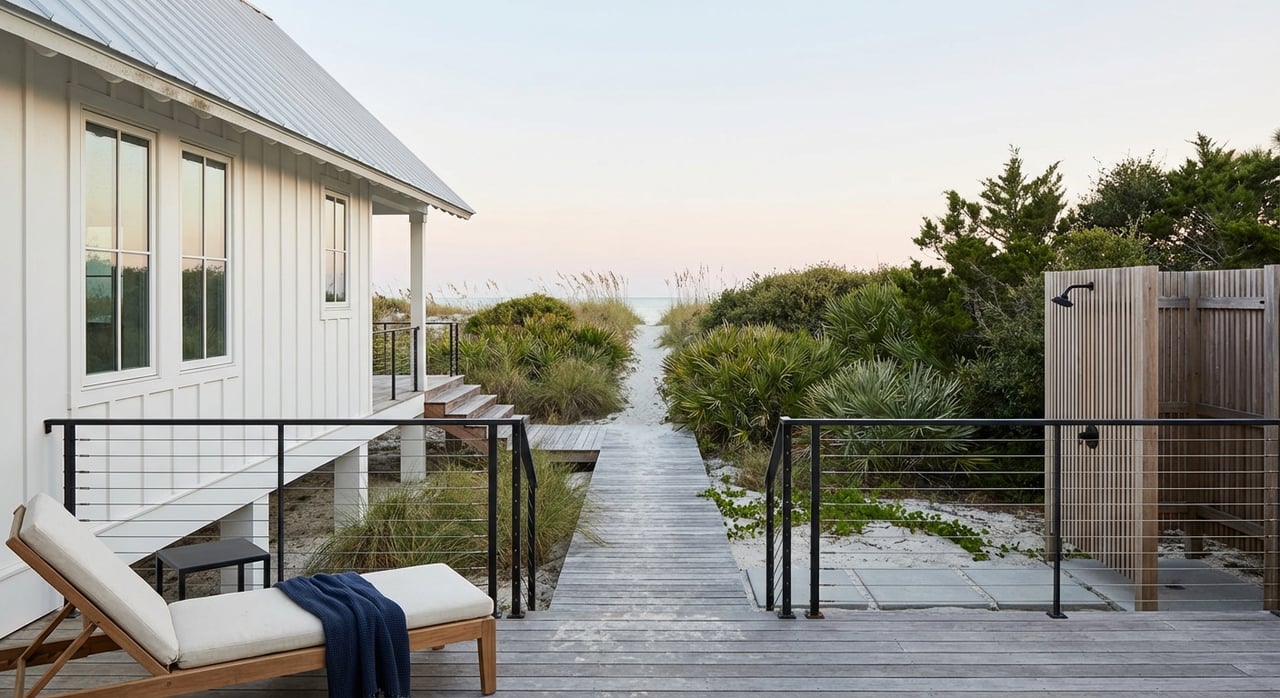
- If applicable, enhance safe access to the water with well-built steps or a boardwalk
- Add wind-mitigation improvements such as reinforced connections or certified shutters
These updates help with appraisals, insurance eligibility, and buyer peace of mind. Small touch-ups can also lift your photography and online presentation.
Stage and capture the coast
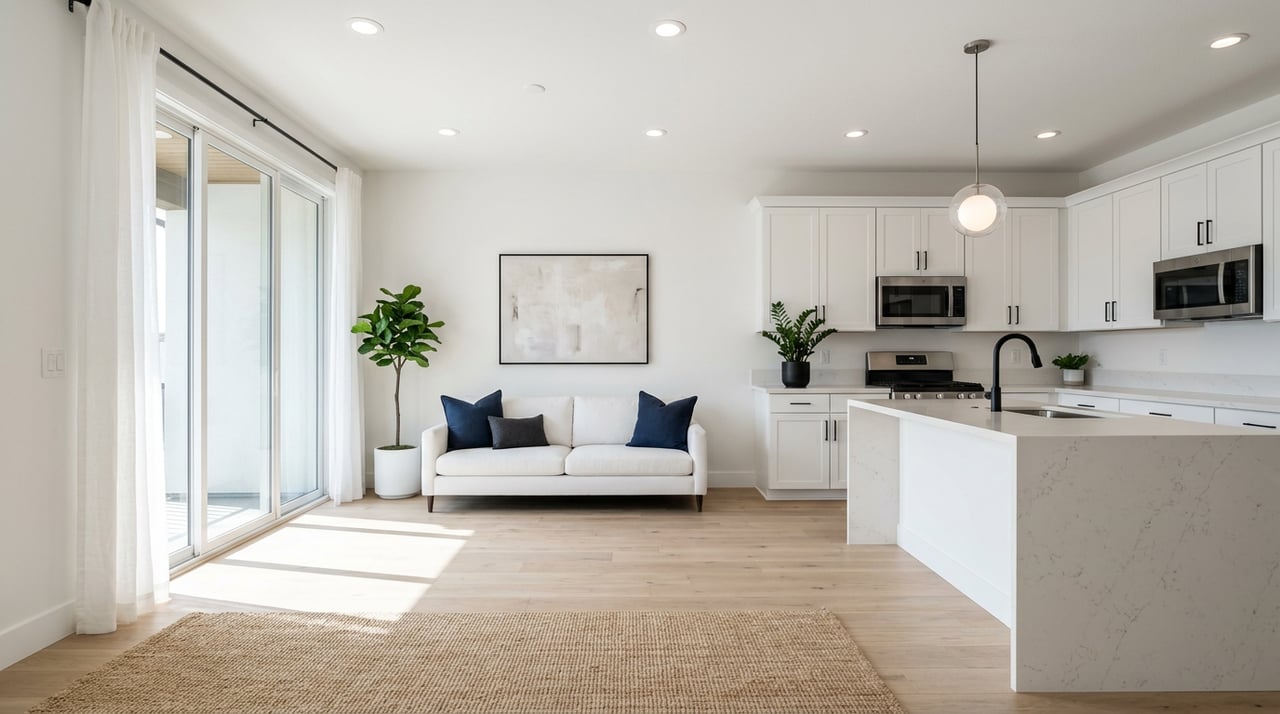
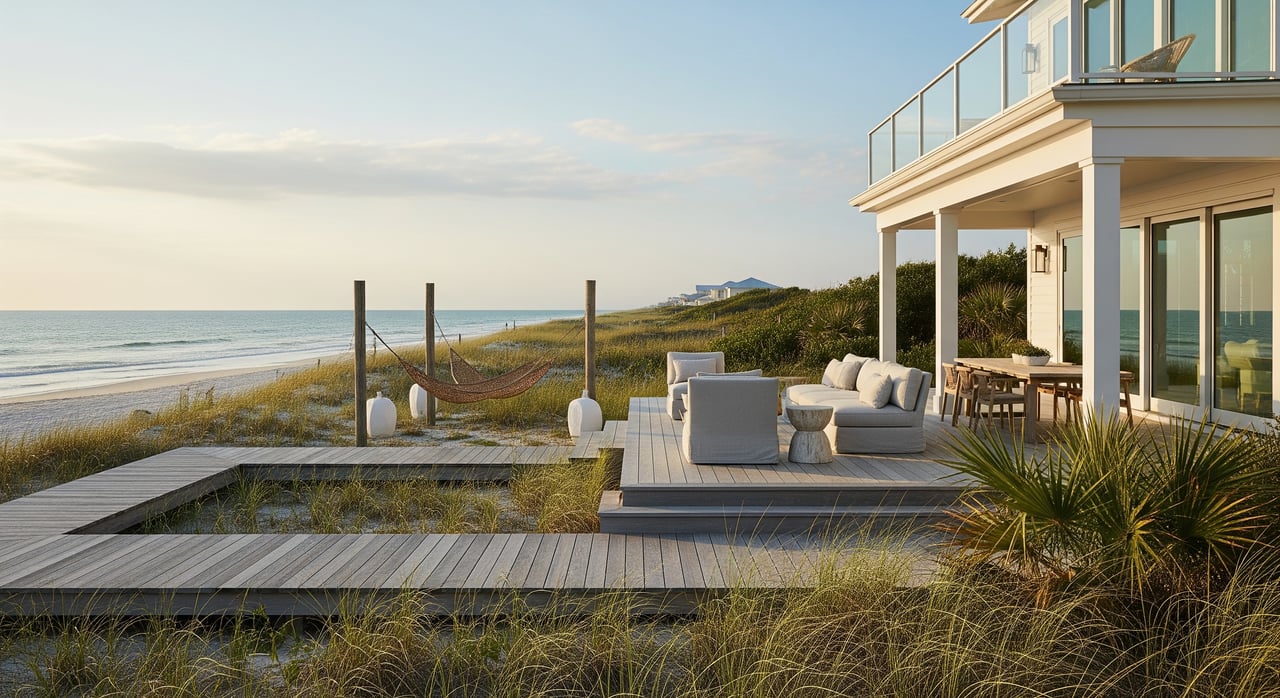
You want buyers to feel the coastal lifestyle from the first click. Prioritize clean, calm spaces and photos that highlight natural light and water proximity.
- Invest in professional photography, including wide-angle and twilight images for waterfront settings
- Use drone imagery to show the lot’s orientation, water access, and neighborhood context
- Add a 3D tour and floor plan so out-of-town buyers can evaluate layout and flow
- If you market the home as a short-term rental, show sleeping capacity, storage, and proximity to recreation
Staging should be simple and welcoming. Remove clutter, minimize personal items, and let water views and outdoor areas be the stars.
Price with coastal precision
In Port St. Joe, the right price reflects both the home and its setting. Use three to six months of closed sales from comparable properties in your immediate area, and adjust for coastal features.
- Location: bayfront, canal, near-shore, or inland
- Lot: size, elevation, and improvements such as docks or boathouses
- Condition: recent renovations, wind-mitigation features, and roof age
- Income: permitted rental potential and documented performance if applicable
Flood zones and elevation can affect buyer demand and insurance costs, which should be considered in pricing. Waterfront properties typically command a premium, while low elevation or higher expected insurance costs may narrow the buyer pool. For investment properties, estimate gross rental income and apply a reasonable capitalization rate for the area.
When you list, consider price psychology and search filters. Decide whether to use a single number or a strategic range, then plan an evaluation window after the first two to three weeks. If the market is competitive, be ready to manage escalation clauses or a best-and-final process.
Market to the right buyers
Your marketing should meet buyers where they are, especially those outside the area who begin their search online. Start with a complete, accurate MLS listing and then expand your reach.
- Optimize your listing with water proximity, flood zone notes, lot features, and high-quality media
- Create a polished brochure for showings and broker events
- Produce video walkthroughs, drone footage, and virtual tours for remote buyers
- Run targeted social media ads that focus on likely buyer profiles, including second-home seekers and investors
- Send email campaigns to local buyer agents and qualified contacts
Local outreach also matters. Well-timed open houses and broker tours can surface motivated buyers, especially during high-activity periods. Always highlight nearby recreation, boating and fishing access, and downtown amenities in your messaging.
Be transparent about flood and insurance
Coastal buyers expect clarity on flood zones, elevation, and insurance. Confirm the property’s FEMA flood zone designation and share your elevation certificate if you have one. If the property is in a special flood hazard area, mortgage lenders often require flood insurance.
Since insurance costs affect buyer affordability, be upfront and share what you know. Buyers appreciate clear documentation, which can help them move faster and reduce renegotiation during the inspection period.
From contract to close
Most deals follow a predictable rhythm. Setting expectations and staying organized keeps your timeline on track.
- Pre-listing prep often takes 1 to 4 weeks, depending on repairs and media
- Evaluate market response in the first 7 to 21 days on market
- Under contract to close commonly runs 30 to 45 days, depending on financing and inspections
Expect contingencies such as general, WDO, and wind mitigation inspections, plus appraisal and financing reviews. Prepare a comps package for the appraiser if needed, and verify that buyers have strong pre-approvals. Title, survey, and closing logistics should start early. Some buyers request updated surveys, and mail-away closings or remote notarization may be available through local title companies.
Costs and your net proceeds
Plan for the standard seller costs so you can estimate your bottom line with accuracy.
- Real estate commissions and title or closing fees
- Prorated property taxes and any association dues
- Payoff of mortgages or other recorded liens
- Potential repair credits or concessions negotiated during contingencies
- Documentary stamp taxes and recording fees as applicable
If the home is your primary residence, you may qualify for the federal capital gains exclusion, subject to IRS rules. Always consult a tax professional for advice specific to your situation.
Timeline at a glance
- Week −3 to −1: Inspections, minor repairs, staging, photography, and video
- Day 0: Listing goes live on the MLS and syndicated sites
- Week 1 to 3: Showings, broker open, feedback, and offer review
- Under contract: Inspections, appraisal, title work, and loan processing, typically 30 to 45 days
- Closing: Final walk-through, funds transfer, and deed recording
Pre-listing checklist
- Order a general home inspection and a WDO inspection if desired
- Schedule a wind mitigation inspection and a roof inspection or certification
- Gather your Seller’s Property Disclosure, recent tax bill, HOA or POA documents, and permits for completed work
- Compile flood insurance documents and any elevation certificate
- Hire a professional photographer and drone operator, and prepare spaces for staging
- Request a comparative market analysis and align on a pricing strategy
- Complete urgent repairs such as roof leaks, HVAC issues, or safety hazards
Avoid common coastal risks
A realistic plan helps you navigate variables that can disrupt a sale. Here is what to watch for in Port St. Joe.
- Insurance volatility: Premiums and underwriting standards can change. Discuss current options early in the process
- Weather: Storms can delay inspections and loan processing. Build extra time into your timeline during hurricane season
- Small-market dynamics: Buyer pools can be thinner than in major metros. Pricing and marketing must reflect current inventory and demand
- Compliance: Accurate disclosures and permits reduce post-closing risk. Consult your title company or legal counsel for complex issues
Why list with Debbe Wibberg
Selling a coastal property calls for local knowledge and premium presentation. With long-term residency and decades of transaction experience on the Forgotten Coast, Debbe knows how to price, position, and negotiate in Port St. Joe. Her full-service approach combines hyperlocal guidance with polished digital marketing that reaches out-of-market second-home buyers and investors.
You get clear communication, honest advice, and a curated listing launch that shows your home at its best. If you are planning a sale this season, let’s build a plan that fits your timeline and goals. Reach out to Debbe Wibberg to request a personalized market consultation.
FAQs
Should Port St. Joe sellers get a pre-listing inspection?
- Yes. A general and WDO pre-listing inspection can reduce surprises, speed negotiations, and increase buyer confidence.
Which repairs pay off for coastal homes in Port St. Joe?
- Prioritize safety and systems, roof certification, water intrusion fixes, simple cosmetic updates, and wind-mitigation improvements.
How does flood zone status affect my sale?
- Flood zones can impact insurance and buyer financing, which may affect demand; share elevation and insurance information upfront.
What if I receive multiple offers on my Port St. Joe home?
- Compare buyer strength, contingencies, timelines, and net proceeds, and consider escalation clauses or a best-and-final process.
When is the best time to list in Port St. Joe?
- Many coastal buyers shop fall through spring, but local inventory and your personal timeline matter; use current market data to decide.