Thinking about owning a true beachfront escape at Indian Pass? The setting is stunning, but buying on this stretch of the Forgotten Coast comes with unique rules, risks, and responsibilities. If you understand the shoreline, permits, insurance, and due diligence, you can buy confidently and protect your investment. This guide breaks down what matters most, tailored to 32456 and Gulf County. Let’s dive in.
Indian Pass coastal context
Indian Pass sits on a barrier spit in Gulf County, with homes and lots fronting the Gulf of Mexico or Apalachicola Bay. Parcels can be narrow, dune coverage varies, and some areas have limited road infrastructure. The beauty of being right on the water also means higher exposure to wind, surge, and erosion. Planning ahead is key when your property sits this close to the coast.
Coastal hazards to weigh
Beach width and dune lines can change over time due to erosion and shoreline retreat. Storm surge and tidal flooding are real factors, and many parcels fall inside FEMA-designated coastal flood zones. Salt air accelerates corrosion and wear on roofs, fasteners, railings, HVAC components, and exterior finishes. Expect higher insurance costs, stricter building requirements, and more frequent maintenance than inland homes.
Evacuation and access planning
Roads serving barrier locations can close during severe weather, and some beach areas rely on a single evacuation route. Before you buy, review county evacuation maps and understand how bridges and local roads affect access for a specific property. Confirm how seasonal weather or major storms could impact reachability, utilities, and emergency response. Your preparedness plan should match the property’s risk profile.
Property lines and beach use
In Florida, the mean high water line helps define the boundary between private upland and state-owned tidal lands. That means the beach area seaward of that line can be governed by public trust principles. Ask for a current boundary survey that shows the mean high water line in relation to improvements and setbacks. Because shoreline changes can be gradual or sudden, work with title counsel if questions about accretion or avulsion come up.
Permits and construction rules
Many Indian Pass parcels fall within Florida’s Coastal Construction Control Line, which triggers additional state review for new construction or shoreline work. Activities such as seawalls, docks, bulkheads, and beach renourishment typically require permits from the Florida Department of Environmental Protection and often the U.S. Army Corps of Engineers, plus county approvals. Local dune and vegetation protections may restrict grading or clearing. Plan for lead time and specialized consultants when your project touches the dune, beach, or nearshore areas.
Elevation, codes, and rebuildability
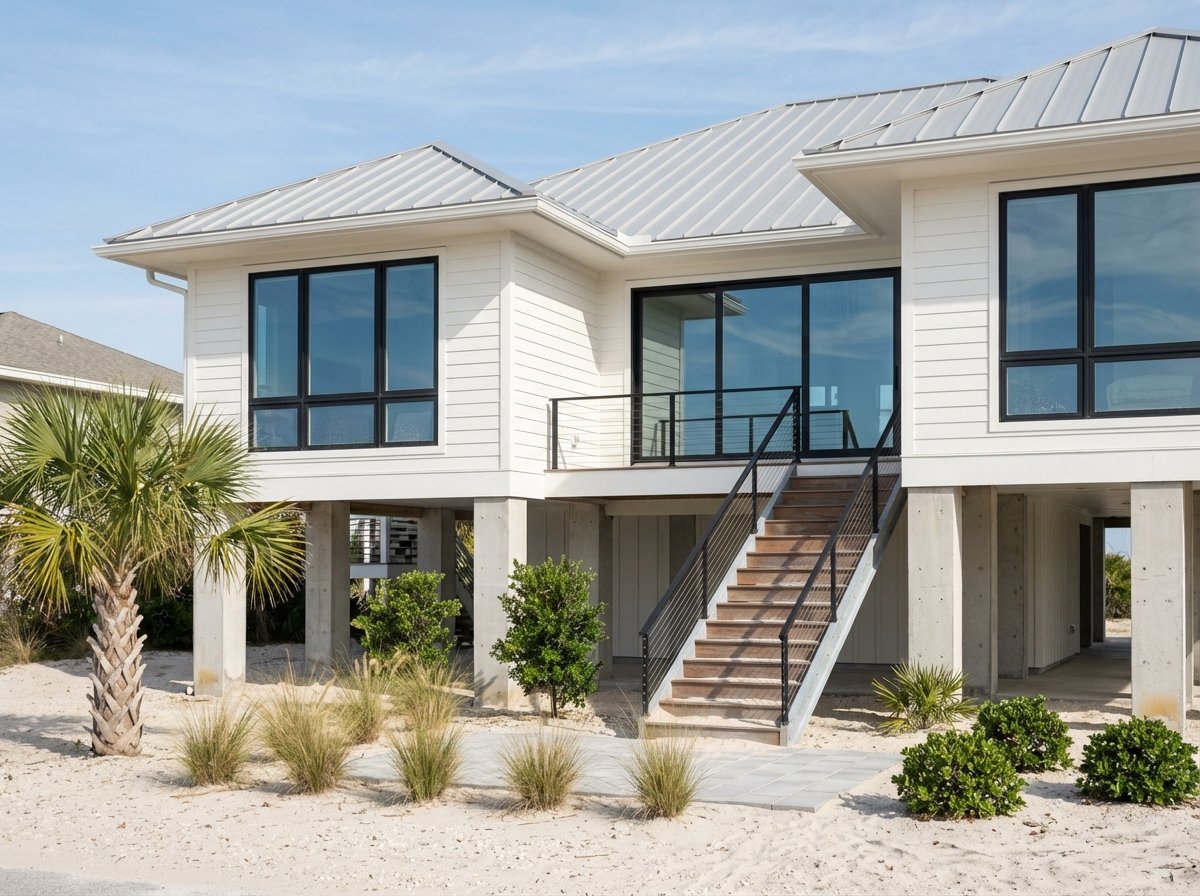
Coastal homes often need elevated living spaces on piling or pier foundations to meet FEMA floodplain rules and the Florida Building Code. Your finished-floor height is driven by the property’s flood zone and Base Flood Elevation, which you can document with an elevation certificate. If you plan to renovate or rebuild, expect to comply with current codes, wind-resistance standards, and elevation mandates. Confirm permit history for existing structures so you understand what was approved and what may trigger upgrades.
Insurance and lending basics
You will likely need two layers of coverage: wind/hurricane insurance and flood insurance. Lenders require flood insurance for homes in Special Flood Hazard Areas, and elevation strongly affects National Flood Insurance Program premiums. Wind policies may carry separate hurricane deductibles expressed as a percentage of the dwelling limit, and older structures or prior claims can affect underwriting. Lenders may ask for a flood-zone determination, survey showing the mean high water line, septic details, and condition checks after storms.
Rentals and taxes in Gulf County
Florida’s homestead exemption applies only to your primary residence. If you plan to operate a seasonal or short-term rental, expect a different tax profile and potential county registration or tourist tax requirements. Review local rules before you buy so the property’s use aligns with Gulf County regulations. Clear expectations up front prevent surprises after closing.
Maintenance at the waterline
Salt air, sun, and wind accelerate wear, so plan for proactive upkeep. Budget for frequent exterior painting or coating, regular roof checks, stainless or corrosion-resistant fasteners, and HVAC service. Inspect pilings, decks, railings, and hardware on a schedule, and address rust or moisture signs early. If a seawall or dune system is present, periodic assessments help you stay ahead of issues.
Your due diligence checklist
Use this list during the contract period and before you waive contingencies:
- Title commitment with a review of recorded covenants, easements, and beach-access rights
- Boundary survey showing the mean high water line and setbacks
- Elevation certificate and FEMA flood-zone determination
- Flood and wind insurance quotes from coastal-experienced carriers or brokers
- Full home inspection focused on wind readiness, roof, foundation/pilings, corrosion, windows/doors, moisture, electrical, and HVAC
- Specialized inspections: seawall/dune condition by a coastal engineer, septic inspection and permitting status, and environmental checks if you plan shoreline work or a dock
- Permit history for all improvements, additions, and shoreline structures
- FEMA flood-claims history if available
- Utility and access verification, including road condition and ingress/egress
- Confirmation of short-term rental and tax rules if you aim to rent
Smart steps to a stronger offer
- Secure insurance quotes early. Rates and deductibles can impact your budget and lender approval.
- Order the survey and elevation certificate up front. These documents influence design options, premiums, and future plans.
- Align your project with permitting realities. If you envision adding a dock, pool, or dune walkover, confirm feasibility first.
- Compare truly local comps. Use recent sales from the immediate beachfront sub-market rather than broad coastal averages.
- Build a coastal team. A surveyor, coastal engineer, local home inspector, insurance broker, and experienced title counsel will help you avoid costly surprises.
Primary, second‑home, and investor tips
- Primary residence: Focus on evacuation routes, maintenance schedules, and insurance affordability over the long term. Confirm homestead eligibility if you plan to occupy full time.
- Second home: Prioritize secure storage, remote monitoring, and a storm plan for periods when you are away. Review association rules if the property is part of a community.
- Investor: Underwrite with conservative rental assumptions and full operating costs, including higher insurance, maintenance, and permitting expenses. Confirm that target uses comply with Gulf County ordinances.
Local guidance you can trust
Buying beachfront at Indian Pass is about balancing lifestyle with stewardship. With clear due diligence and the right local partners, you can enjoy the coast while protecting your investment. For tailored advice, recent comps, and help coordinating surveys, permits, and inspections, connect with Debbe Wibberg for a personalized market consultation.
FAQs
Will the beach be part of my property at Indian Pass?
- Not always; in Florida the mean high water line helps define the boundary between private upland and state-owned tidal lands, so a survey is needed to confirm the legal line.
Can I build a seawall, dock, or walkover on 32456 beachfront?
- Possibly, but you will likely need state permits and often federal authorization, plus county approvals; dune and habitat protections can limit or condition such work.
How high must a Gulf-front home be in Indian Pass?
- Elevation depends on FEMA flood zones and local code; many coastal homes must be elevated above Base Flood Elevation, verified by an elevation certificate.
Is flood or hurricane insurance required for Indian Pass homes?
- Lenders require flood insurance in Special Flood Hazard Areas, and wind coverage is standard for coastal properties; expect higher premiums, which can be reduced with elevation and mitigation.
Are there wildlife or lighting rules on the beach?
- Yes; sea turtle and shorebird protections often require specific lighting and may limit certain activities during nesting season, especially at night.
Can I rebuild after a major storm on a beachfront lot?
- Rebuilding is often possible but must meet current codes, elevation rules, and permit requirements; insurance proceeds and compliance will shape the path forward.