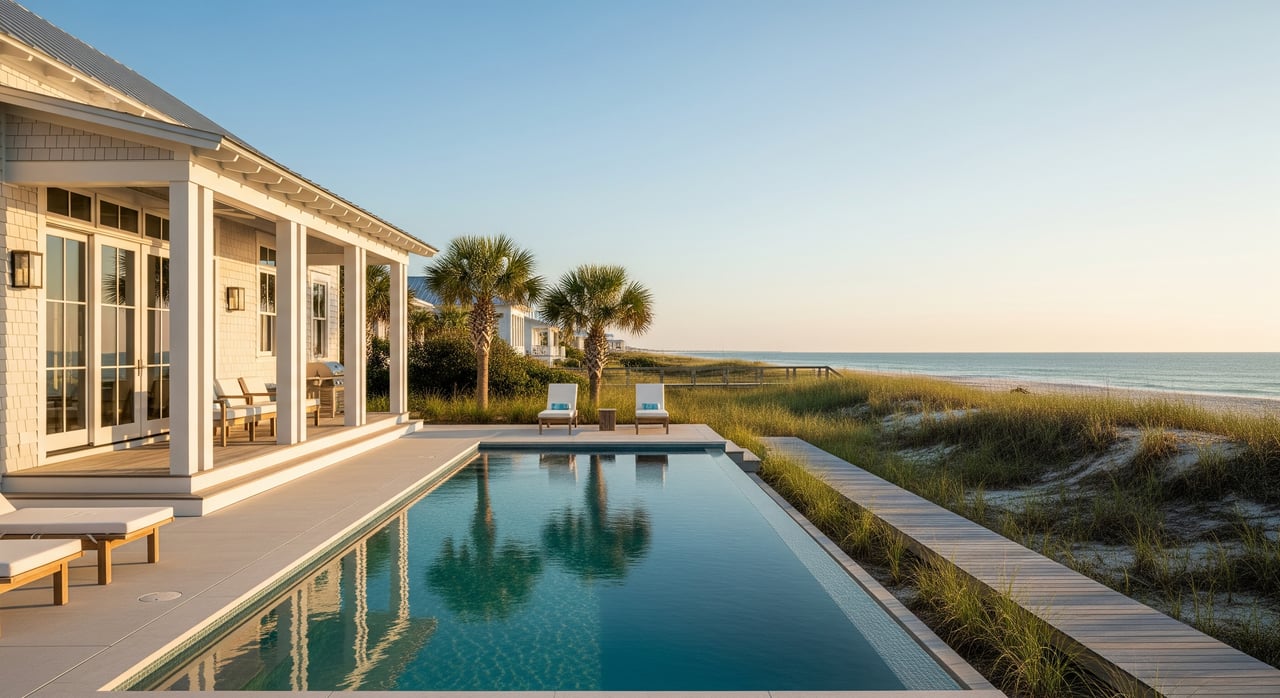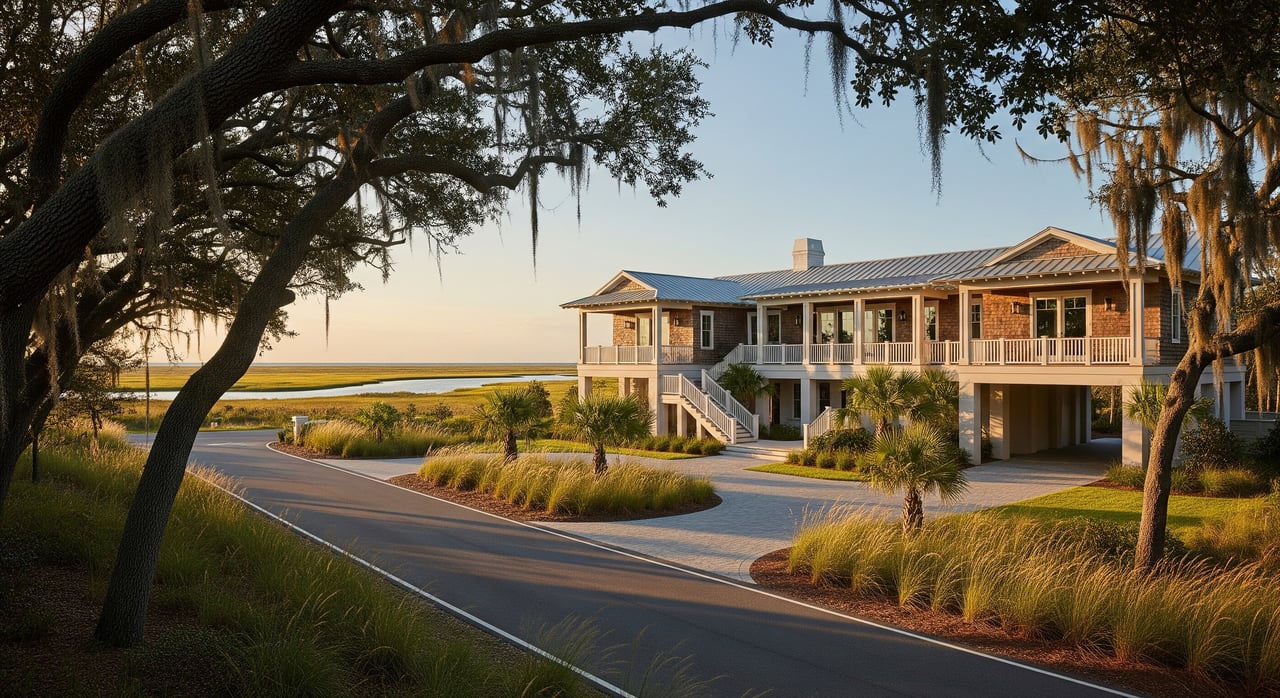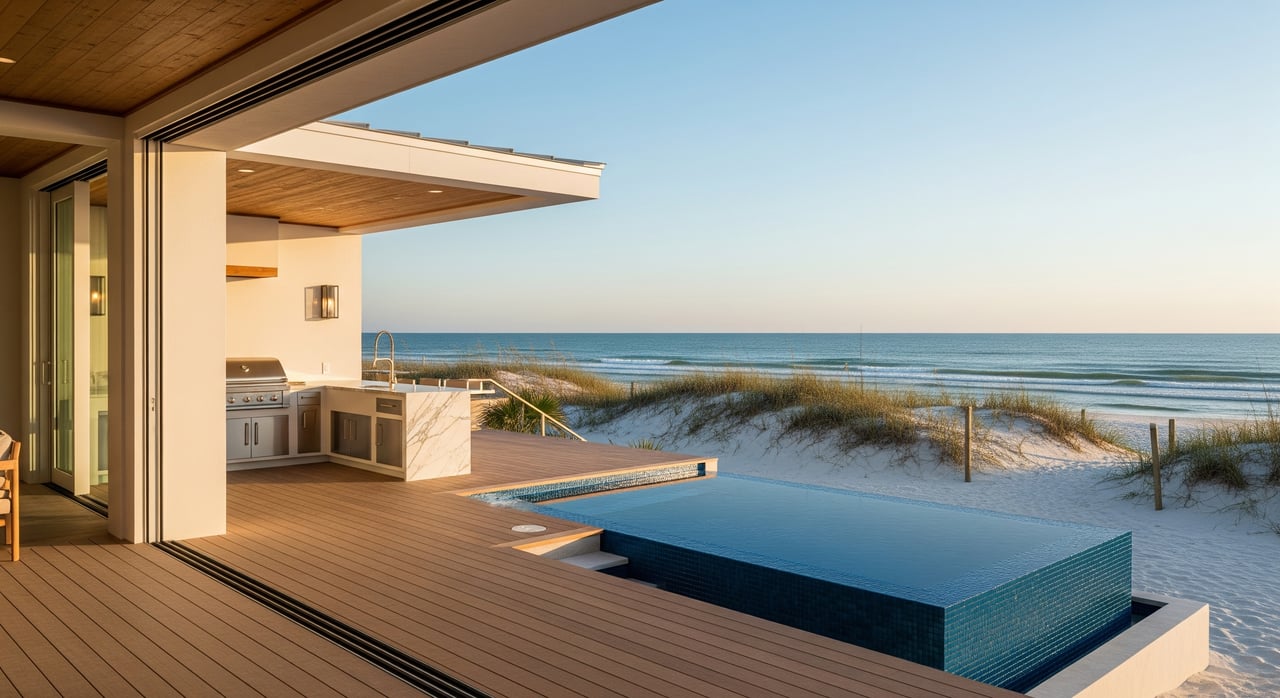
Is your St. Joe Beach home truly coastal ready, or just coastal themed? If you are buying or selling near Port St. Joe, smart upgrades that handle salt, wind and water can set your property apart and protect long-term value. In this guide, you will find the improvements local buyers notice, the resilience features insurers respect, and the permits and documents that make a sale smoother. Let’s dive in.
What buyers prioritize at St. Joe Beach
Coastal buyers want relaxed living with peace of mind. That means durable materials that hold up to salt air, storm‑smart features, and outdoor spaces that make the most of breezes and views. Elevation matters because flood zones and storm surge shape insurance costs and risk. Long-term planning also includes sea-level rise and access, so a clear elevation story and resilient design build confidence.
Elevation and flood‑smart structure
Elevation above Base Flood Elevation is one of the strongest signals of flood resilience. Homes on pilings or raised foundations with flood vents and flood‑resistant materials reduce expected water damage and can support better insurance outcomes when documented on a FEMA Elevation Certificate. Many owners add modest freeboard above the minimum for extra margin.
If you plan structural changes, coordinate with Gulf County permitting and a coastal engineer. Keep permits, inspection reports, and elevation certificates together for buyers and insurers.
Impact protection for windows and doors
Impact‑rated windows and doors, or quality storm shutters, help limit wind entry and debris damage during hurricanes. Reinforced, wind‑rated garage doors also matter, since garage failure can lead to major pressure changes inside the home. Many insurers consider credits for verified mitigations that align with IBHS Fortified Home standards. Retain product approvals and installation records.
Roof upgrades that hold up
A high‑wind‑rated roof is a cornerstone of coastal resilience. Metal standing‑seam or Class 4 impact‑rated shingles, paired with a complete roof‑to‑wall load path using hurricane straps and clips, help resist uplift. In salt air, corrosion‑resistant underlayment and fasteners extend service life. Roofing projects must meet the Florida Building Code and local wind‑speed requirements, so proper permitting and documented installation are essential.
Exterior materials that fight salt and sun
Coastal exteriors work hard. Fiber‑cement siding, quality composite cladding, and capped composite or well‑maintained hardwood decking reduce upkeep in a marine climate. Use marine‑grade stainless steel or hot‑dipped galvanized fasteners and replace corroded hardware promptly. When you sell, note the material choices and maintenance timeline to reassure buyers.
Keep systems high and dry
Electrical panels, HVAC units and generators should sit above the flood risk level. Platforms or elevated pads protect equipment and speed recovery after storms. For humidity control, consider solutions that minimize duct exposure to salt. Mechanical and electrical work requires licensed contractors and permits, and proper placement improves both safety and buyer confidence.
Interior finishes for moisture control
Choose finishes that tolerate splashes, wet feet and humidity. Tile, waterproof luxury vinyl plank or sealed concrete on lower levels dry faster than wall‑to‑wall carpet. In high‑humidity zones, closed‑cell insulation and mold‑resistant gypsum can help, but HVAC design may need adjustments. A balanced system that manages moisture protects comfort and finishes.
Outdoor living and water access, done right
Covered porches, screened lanais and elevated decks are highly desirable when designed to handle wind and salt. Outdoor showers and hose‑down areas help keep sand and salt outside. For docks, boat lifts or shore work, expect multi‑agency review. Start with the Florida Department of Environmental Protection and the U.S. Army Corps Regulatory Program to understand requirements and timelines.
Landscaping and dune‑friendly choices
Native, salt‑tolerant plants reduce irrigation, support dunes and protect views. Where erosion is a concern, consider living shorelines that use plantings or natural features in settings where they are appropriate and permitted. Beach lighting near nesting areas should follow FWC sea turtle lighting guidelines, and some work may be seasonally restricted. These steps support habitat and can streamline permitting.
Permits, insurance and documentation
Permitting is part of coastal life, and having a complete file makes a difference at closing. Keep copies of building permits, inspection reports, product approvals for impact openings, roof documentation and your elevation certificate. Insurers may recognize mitigation that aligns with IBHS Fortified standards. To plan for the long term, review local data in the NOAA Sea Level Rise Viewer and discuss flood coverage options and premiums linked to elevation.
How to phase your upgrades
If you are upgrading in stages, start with the high‑impact resilience items first. Prioritize roof integrity, impact openings, elevated utilities and structural elevation where needed. Follow with exterior materials, then outdoor living and shoreline features. This sequence addresses risk and insurance first, then lifestyle and curb appeal.
Seller tips: highlight resilience in your listing
Buyers respond to clear, verifiable information. In your listing materials, note elevation relative to BFE, impact window and roof details with installation dates, generator specs and placement, and any shoreline or dock permits. Include warranties and service records to reduce perceived risk. For context on broader resale trends, you can review national ranges in the Cost vs. Value Report, then rely on local pricing guidance for Port St. Joe.
Ready to match your home’s upgrades to what St. Joe Beach buyers value most, or to find a coastal property with resilience already built in? Connect with Debbe Wibberg for a local, one‑to‑one plan.
FAQs
What coastal upgrades add the most value in Port St. Joe?
- Buyers frequently respond to elevation above BFE with documentation, impact‑rated windows and doors, a high‑wind‑rated roof with a complete load path, and durable exterior materials that limit maintenance.
How do FEMA flood zones affect renovation plans at St. Joe Beach?
- Your zone and Base Flood Elevation determine how high you must build and may influence materials and design; document elevation with a FEMA Elevation Certificate and secure permits before work begins.
Will impact windows and doors lower wind insurance on Gulf Coast homes?
- Many insurers consider credits for verified impact protection or systems that align with IBHS Fortified guidance; ask your carrier for written confirmation and keep product approvals and installation records.
What permits apply to docks or shoreline work near St. Joseph Bay?
- Shoreline and in‑water projects often require review by the Florida DEP and the U.S. Army Corps Regulatory Program, and may be timed around seasonal wildlife protections.
When is beach lighting restricted for sea turtles in Gulf County?
- Sea turtle nesting season generally runs from spring through fall on Florida’s Gulf beaches, and lighting near the beach should follow FWC turtle‑friendly guidelines to avoid disorientation.
How should sellers document coastal upgrades for Port St. Joe buyers?
- Keep a simple file with permits, inspection reports, the elevation certificate, product approvals for impact openings, roof documentation and warranties, so buyers and insurers can verify resilience features quickly.