You do not price a home along Gulf County’s C‑30 corridor the same way you would in a typical inland neighborhood. Water access, elevation, insurance, and even seasonality all play a role in what buyers will pay. If you want to protect your equity and move with confidence, you need a pricing plan grounded in local data and coastal realities. This guide walks you through what matters most, how to build a clear pricing range, and what to do before you list. Let’s dive in.
What the C‑30 corridor includes
When locals say “C‑30 corridor,” they are generally talking about State Road 30 in Gulf County and the communities that connect to it. This includes areas near Port St. Joe, Wewahitchka, Cape San Blas, and Indian Pass. Before you run numbers, define your exact stretch since value can change within a short drive.
Treat the corridor as several micro‑markets. Inland parcels, near‑shore lots, and true waterfront properties have different buyer pools and pricing patterns. Segment your analysis by proximity to open water, access type, and community amenities so you are comparing apples to apples.
What drives price along C‑30
Market context and seasonality
Buyer demand along the coast often reflects a mix of retirees, second‑home buyers, and local residents tied to fishing, tourism, and small industry. In some pockets, short‑term rental investors are active where allowed. Showings typically increase from fall through spring, which can affect time on market and your strategy.
Inventory can be thin in small coastal counties. A handful of active listings or one new build can shift comps quickly. Use recent sales from the last 3 to 6 months when possible, then widen to 12 months if data is sparse.
Location and water access
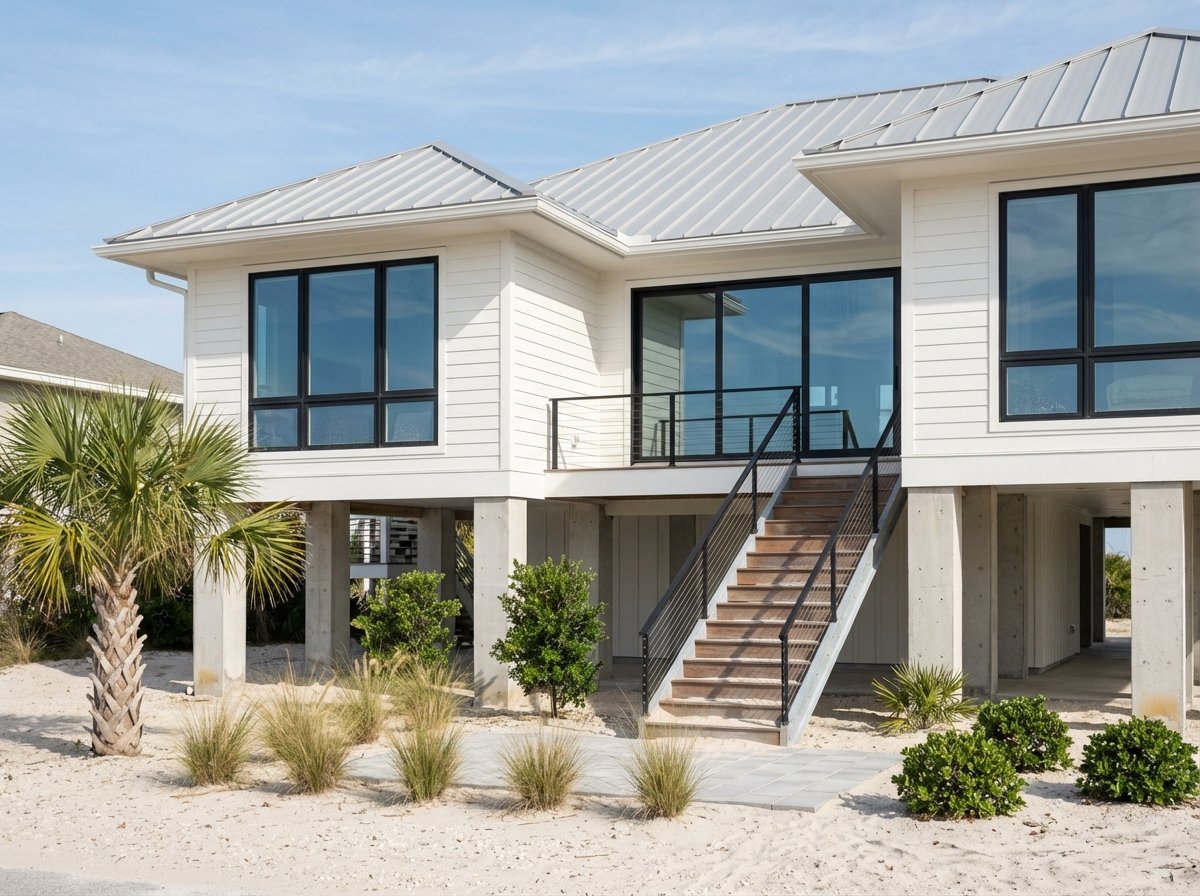
Direct waterfront commands meaningful premiums. Open Gulf or bay frontage, deeded beach access, private docks, and boat ramps all influence price. Elevation above base flood elevation is critical since it affects insurability and buyer confidence.
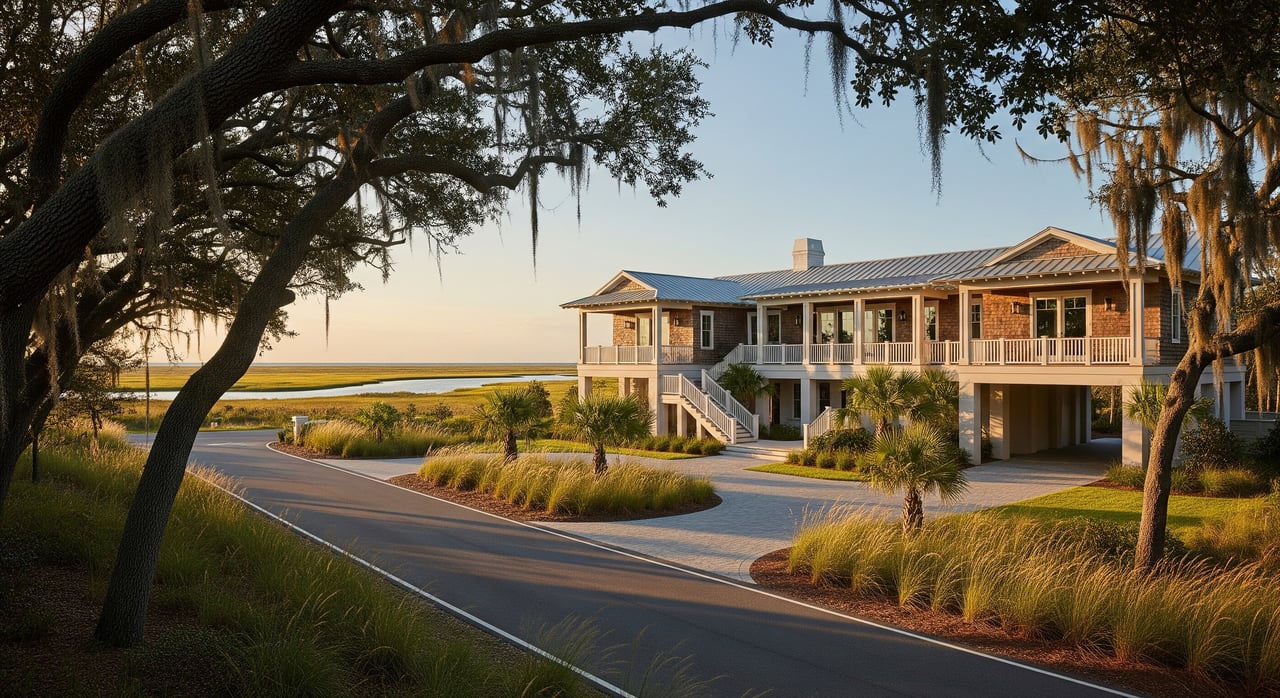
Views and access matter. Gulf or bay views, proximity to marinas and parks, and easy beach access tend to raise value. Lot size, vegetation, and buildability also count because dune rules and conservation areas can shape what you can actually do with the property.
Utilities, roads, and systems
Buyers look for practical livability. Municipal water and sewer can be an advantage over well and septic in some subareas. Paved road access and stable utilities can make a difference in perceived value and ease of ownership.
Condition and insurability
Roof age, HVAC status, and the quality of renovations show up in buyer offers. Wind mitigation features, hurricane‑rated openings, and a recent roof certification can lower insurance costs and boost appeal. An elevation certificate and any documented mitigation work help justify your price.
Insurance and regulations
Flood and windstorm insurance cost and availability influence both list price and marketability. Properties with repeated loss claims nearby may see buyer hesitation. Local permitting rules, shoreline protections, dune setbacks, and conservation easements can limit improvements, which can raise or reduce value depending on the property.
Rental potential and local rules
Short‑term rental potential can lift value for investor buyers, but only where allowed by county rules, municipal ordinances, and HOA covenants. Seasonality also affects revenue patterns. Always verify regulations and realistic income and expense data before assuming a rental premium.
How to price your C‑30 home: a step‑by‑step CMA
Gather the right data
Collect a complete snapshot before you set a range. Aim for:
- MLS data for active, pending, and closed sales in your exact micro‑market within the last 3 to 6 months, then extend to 12 months if needed.
- Gulf County Property Appraiser parcel data for lot size, square footage, year built, assessed values, and legal description.
- County GIS layers or a recent survey for setbacks, easements, and flood zone information.
- FEMA Flood Map Service Center references and an elevation certificate if available.
- Preliminary insurance estimates for flood and wind from a local insurance professional.
- Building permit history and certificate of occupancy records for any improvements.
- Comparable property photos and interior descriptions to validate condition and finishes.
Select comps and make adjustments
Start as close as possible to your property’s subarea and water relationship. If there are no perfect matches, choose the closest alternatives and adjust for:
- Waterfront or access type such as open Gulf, bay, canal, or no water.
- View premiums and deeded beach or dock rights.
- Elevation and flood zone status relative to base flood elevation.
- Lot size and buildability, including dune or vegetation constraints.
- Home size, bed and bath count, age, and condition.
- Key amenities like private docks, boat lifts, pools, and garages.
- Utilities such as municipal versus septic and well.
- Any unpermitted improvements that may reduce value.
Bridge thin data with support
When sales are limited, supplement with:
- New construction pricing and builder quotes for similar products.
- Broker price opinions from coastal specialists.
- Price per square foot trends in adjacent, comparable communities, applied with caution.
Set your pricing strategy
Present a market value band rather than a single number. Offer low, likely, and high scenarios with clear tradeoffs. Then pick a tactical approach:
- Price at market to drive steady showings and realistic offers.
- Price slightly under market to spark interest and possibly multiple offers when inventory is tight.
- Price slightly above market when you need time or expect stronger comps soon, fully aware of a longer days on market risk.
Build insurance and ownership cost estimates into your net proceeds analysis. When buyers understand total monthly costs, it supports your asking price and reduces renegotiation.
Pre‑listing actions that protect value
Take steps that reduce uncertainty and improve insurability. These items often pay for themselves through stronger offers and smoother negotiations:
- Obtain an elevation certificate if you are in or near a VE or A flood zone.
- Schedule a wind mitigation inspection and share the report with buyers.
- Address visible deferred maintenance such as roof, windows, siding, and septic.
- Order a septic inspection report and a well water test if applicable.
- Consider a pre‑listing inspection to surface issues early.
- Verify dock permits and document condition for waterfront properties.
- Assemble rental history and any STR approvals if the property has been rented.
Coastal considerations you should verify
Along C‑30, coastal rules and risk shape value as much as finishes do. Before you finalize price, confirm:
- Current FEMA flood maps and any recent changes that may affect elevation and premiums.
- Insurance availability and estimated premiums for flood and wind coverage.
- Any prior disaster claims that should be disclosed.
- Permitting requirements for docks, seawalls, dune work, and coastal structures.
- Septic capacity, age, and maintenance records for properties not on municipal sewer.
- Local tax details and the potential impact of Florida’s homestead exemption for owner‑occupants.
What to prepare for every C‑30 property
Have a clean documentation package ready for buyers. Aim to collect:
- Deed and current legal description.
- Recent tax bill and assessed value.
- Survey and plat map.
- Elevation certificate if available.
- Roof certification, roof age, and HVAC age with service records.
- Permits for improvements and any certificates of occupancy.
- Septic inspection report and well test results if applicable.
- Insurance claim history.
- Interior and exterior photos including roof, foundation, shoreline, and dock.
- HOA or CCR documents if relevant.
- Rental history and any code or occupancy records for STR use.
Working with a local advisor
Pricing on the C‑30 corridor is about more than square footage. It is about water access, elevation, insurance, and what you can legally build or improve. A clear, coastal‑specific CMA paired with the right pre‑listing steps will help you protect your value and attract the right buyers.
If you are ready to price your C‑30 property with confidence, request a consultation with a local specialist who understands Gulf County’s micro‑markets and coastal rules. Connect with Debbe Wibberg to get a personalized market plan for your home.
FAQs
How much does flood risk affect home price on the C‑30 corridor?
- Flood zone and elevation have a significant impact because they influence insurance cost and financing, and buyers often discount higher‑risk properties unless mitigation is documented.
Should you get elevation or wind mitigation certificates before listing a C‑30 home?
- Yes, these reports reduce buyer uncertainty, can lower insurance premiums, and often support stronger pricing or a quicker sale.
How do you choose comps when sales are limited along C‑30?
- Prioritize similar water access and proximity, then match lot size, elevation, age, and condition; widen the time window carefully and supplement with builder pricing or nearby comparable areas.
Do short‑term rentals increase value for C‑30 properties?
- They can for investor buyers when allowed, but actual value depends on verified revenue and expenses along with county, municipal, and HOA rules.
When is the best season to list a home on the C‑30 corridor?
- Buyer activity often runs higher from fall through spring, which can reduce days on market and support pricing, but your micro‑market and property type should guide timing.